Land Rover Freelander 2 – The SUV That Combined Luxury with Real Off-Road Capability
The Land Rover Freelander 2 is one of the most respected compact SUVs ever produced by Land Rover. Introduced in 2006 as the successor to the original Freelander, the Freelander 2 represented a major improvement in quality, comfort, performance, and reliability. It became popular among drivers who wanted the rugged capability of a Land Rover in a more practical and affordable package.
Known for its strong off-road abilities, comfortable interior, and solid road manners, the Freelander 2 successfully balanced everyday usability with adventure-ready engineering. Even years after production ended, it remains a popular used SUV in many markets around the world.
The Evolution of the Freelander
The original Land Rover Freelander was launched in the late 1990s and became one of the first premium compact SUVs on the market. However, the first generation faced criticism for reliability issues and limited refinement.
To address these concerns, Land Rover developed the Freelander 2 with a completely new platform, improved engineering, and better technology.
Major improvements included:
- Stronger chassis structure
- More refined engines
- Improved interior quality
- Advanced off-road systems
- Better safety features
The result was a vehicle that felt significantly more modern and capable than its predecessor.
Exterior Design – Rugged Yet Sophisticated
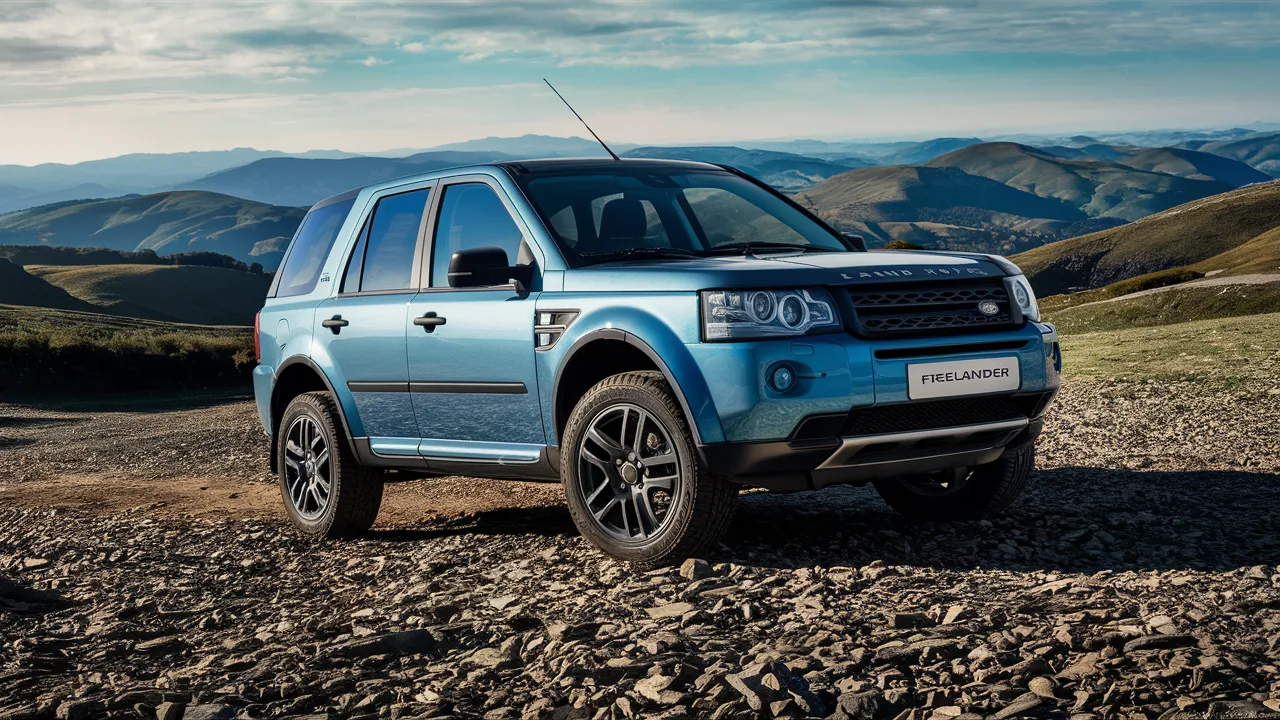
The Freelander 2 featured a bold and muscular design that reflected Land Rover’s traditional SUV identity.
Exterior highlights:
- Large front grille
- High ground clearance
- Strong body lines
- Wide stance for stability
- Short overhangs for off-road performance
Although compact compared to larger Land Rover models like the Range Rover, the Freelander 2 still looked premium and powerful.
The design focused on practicality rather than sportiness, giving the SUV a timeless and functional appearance.
Interior Comfort and Practicality
Inside, the Freelander 2 offered a comfortable and spacious cabin designed for both families and adventure travel.
Interior features included:
- High seating position for excellent visibility
- Comfortable leather or fabric seats
- Durable materials for long-term use
- Large cargo area
- Foldable rear seats for extra storage
The cabin design was clean and practical, with easy-to-use controls and good ergonomics.
Passengers benefited from:
- Generous headroom and legroom
- Comfortable ride quality
- Quiet interior at motorway speeds
This combination made the Freelander 2 ideal for long-distance driving.
Engine Options and Performance
The Freelander 2 was offered with several engine choices depending on the market.
Common engines included:
- 2.2-litre turbo diesel engine
- 3.2-litre petrol inline-six engine
The diesel engine became especially popular because of its:
- Strong torque output
- Good fuel efficiency
- Reliable long-distance performance
Performance characteristics:
- Smooth acceleration
- Strong pulling power
- Comfortable highway cruising
- Confident towing capability
Although not designed as a sports SUV, the Freelander 2 delivered stable and predictable handling.
Off-Road Capability – A True Land Rover
One of the biggest strengths of the Freelander 2 was its genuine off-road ability.
Unlike many modern crossovers that focus mainly on city driving, the Freelander 2 retained Land Rover’s off-road heritage.
Key off-road features:
- Terrain Response system
- All-wheel drive capability
- Hill descent control
- High ground clearance
- Strong traction management systems
The Terrain Response system allowed drivers to select different driving modes for:
- Mud and ruts
- Sand
- Snow and gravel
- General off-road conditions
This technology made the Freelander 2 highly capable even in difficult terrain.
Driving Experience on the Road
Despite its off-road focus, the Freelander 2 was also refined for daily driving.
On-road strengths:
- Comfortable suspension setup
- Smooth ride quality
- Good steering stability
- Quiet diesel engine in later models
The SUV felt secure and planted on highways while still remaining manageable in urban environments.
Its elevated driving position also provided excellent visibility, which many SUV buyers appreciate.
Safety Features and Technology
The Freelander 2 included modern safety technologies for its time.
Safety features:
- Multiple airbags
- Electronic stability control
- Anti-lock braking system (ABS)
- Roll stability control
- Emergency brake assist
These systems improved driver confidence both on and off the road.
Technology highlights:
- Touchscreen infotainment (in later models)
- Navigation systems
- Premium audio options
- Bluetooth connectivity
Although the technology may seem basic by today’s standards, it was competitive during its production years.
Reliability and Ownership Experience
Compared to the first-generation Freelander, the Freelander 2 achieved a much better reputation for reliability.
Ownership advantages:
- Strong diesel engine durability
- Comfortable long-distance travel
- Excellent winter and off-road capability
- Premium feel without Range Rover pricing
However, ownership can still involve higher maintenance costs than non-premium SUVs.
Common ownership concerns:
- Expensive parts and repairs
- Electronic system issues in older models
- Fuel economy lower than smaller crossovers
Regular maintenance is essential to keep the vehicle in good condition.
Competitors in the SUV Market
During its production years, the Freelander 2 competed with several popular compact SUVs.
Main rivals included:
- BMW X3
- Audi Q5
- Volvo XC60
Compared to these rivals, the Freelander 2 stood out because of:
- Superior off-road performance
- Strong Land Rover heritage
- Comfortable ride quality
While competitors focused more on sporty road handling, the Freelander 2 emphasized versatility and adventure capability.
Why the Freelander 2 Remains Popular
Even after production ended, the Freelander 2 remains highly respected in the used SUV market.
Reasons for continued popularity:
- Timeless SUV design
- Genuine off-road ability
- Comfortable interior
- Reliable diesel engines
- Practical everyday usability
Many owners appreciate its ability to handle both urban commuting and outdoor adventures.
Legacy of the Freelander 2
The Freelander 2 played an important role in Land Rover’s history. It demonstrated that a compact SUV could still maintain serious off-road credentials while offering premium comfort.
Eventually, the Freelander line was replaced by the Land Rover Discovery Sport, which continued the brand’s focus on versatile family SUVs.
However, the Freelander 2 remains special because it:
- Improved significantly over the original model
- Balanced luxury and ruggedness effectively
- Became one of Land Rover’s most successful compact SUVs
Conclusion
The Land Rover Freelander 2 is a vehicle that successfully combined comfort, practicality, and authentic off-road capability. Produced by Land Rover, it offered drivers a premium SUV experience without sacrificing adventure-ready performance.