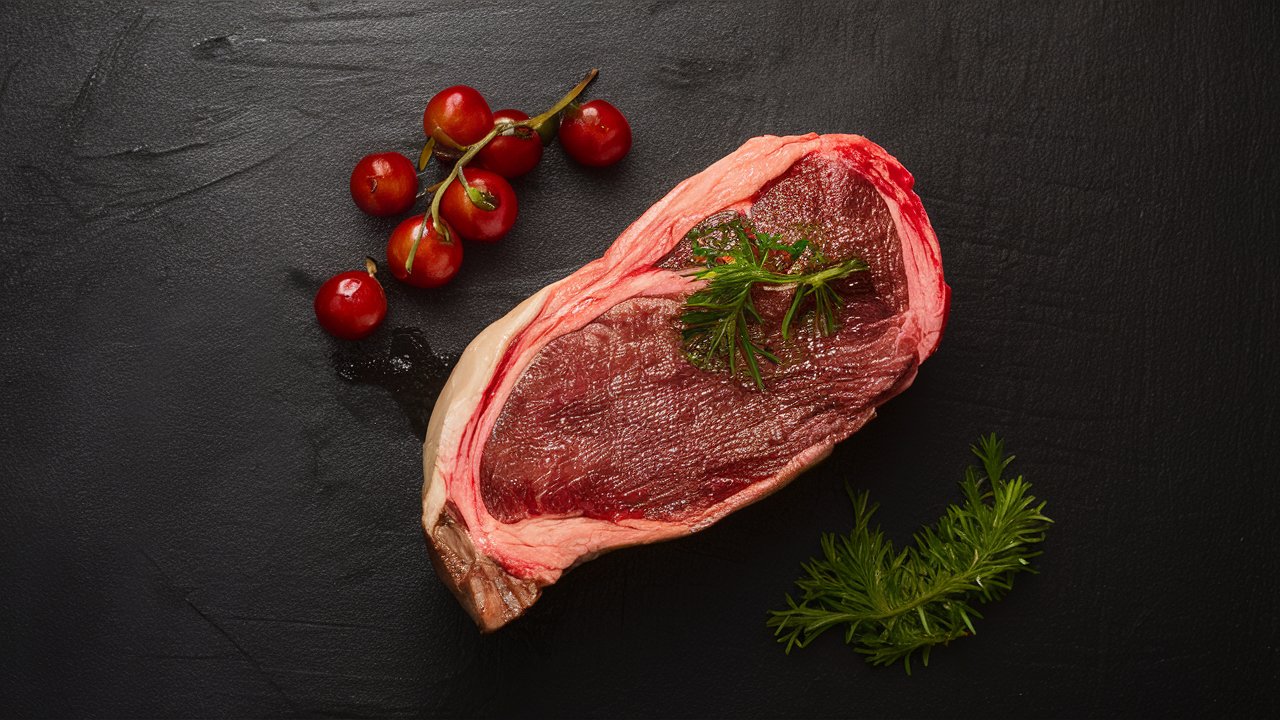
Medium Rare Steak: Complete Guide to Perfect Cooking, Temperature, and Flavor
Cooking a perfect steak is considered both an art and a science, and among all steak doneness levels, medium rare is widely regarded as the gold standard for flavor, tenderness, and juiciness. Whether prepared in a professional kitchen or at home on a grill or pan, achieving the perfect medium rare steak requires understanding temperature control, cooking techniques, meat quality, and timing. Many steak lovers prefer this doneness level because it delivers a warm red center, soft texture, and rich beefy flavor that is often lost when the meat is overcooked.
In today’s culinary world, where home cooking has become more popular than ever, learning how to prepare a perfect medium rare steak is a valuable skill. It not only enhances your cooking ability but also allows you to enjoy restaurant-quality meals without leaving your home. This guide explores everything from what medium rare steak actually means to step-by-step cooking methods, common mistakes, and expert tips to help you achieve consistent results every time.
What Is a Medium Rare Steak?
A medium rare steak is defined by its internal temperature and texture. At this doneness level, the center of the steak remains warm and red while the outer layer is seared and browned. The fat inside the meat begins to melt, creating a juicy and tender bite that is highly prized by steak enthusiasts.
Unlike rare steak, which has a cooler and redder center, or well-done steak, which is fully cooked with little moisture remaining, medium rare offers a balanced experience. It preserves the natural juices of the meat while ensuring it is cooked safely and evenly. This balance is what makes it the preferred choice in many steakhouses around the world.
Why Medium Rare Steak Is So Popular
The popularity of medium rare steak comes down to three main factors: flavor, texture, and moisture retention. When beef is cooked to this level, the muscle fibers remain relaxed, which helps keep the steak tender rather than tough. At the same time, the natural fats inside the meat begin to melt slowly, infusing the steak with rich flavor.
Another reason for its popularity is culinary tradition. Many chefs believe that medium rare is the ideal point where beef expresses its true natural taste. Overcooking can dry out the meat and reduce its complexity, while undercooking may leave it too raw for some preferences. Medium rare sits perfectly in the middle, offering the best of both worlds.
Medium Rare Steak Temperature Guide
Understanding temperature is essential when cooking steak. Precision is what separates a perfect steak from an average one. The internal temperature range for medium rare steak is generally between 130°F to 135°F (54°C to 57°C). Using a meat thermometer is highly recommended to ensure accuracy, especially for beginners.
At this temperature range, the proteins in the meat begin to firm up slightly while still retaining moisture. The result is a soft, juicy texture with a warm red center. Removing the steak from heat just before it reaches the target temperature is also important because it continues to cook slightly while resting, a process known as carryover cooking.
Best Methods to Cook Medium Rare Steak
There are several effective methods to cook a perfect medium rare steak, and each has its own advantages depending on available equipment and personal preference.
One of the most popular methods is pan-searing. This involves heating a heavy skillet, adding a small amount of oil, and searing the steak on both sides until a golden-brown crust forms. Finishing the steak in the oven ensures even cooking throughout.
Grilling is another widely used technique, especially for outdoor cooking. The high heat of the grill creates a smoky flavor and beautiful char marks while allowing the inside to remain tender and juicy. Proper heat control is essential to avoid overcooking.
Sous vide cooking is a more modern method that involves sealing the steak in a vacuum bag and cooking it in temperature-controlled water. This technique guarantees precision and consistency, making it nearly impossible to overcook the steak. After sous vide cooking, a quick sear is added for texture and flavor.
Step-by-Step Guide to Cooking Medium Rare Steak
To cook a perfect medium rare steak, start by selecting a high-quality cut of beef such as ribeye, sirloin, or filet mignon. Let the steak come to room temperature before cooking, as this helps it cook more evenly.
Season the steak generously with salt and pepper to enhance its natural flavor. Heat your pan or grill until it is very hot, as high heat is essential for proper searing. Place the steak on the cooking surface and avoid moving it too frequently, allowing a crust to form.
Cook each side for a few minutes depending on thickness, and use a thermometer to check the internal temperature. Once it reaches around 125°F to 130°F, remove it from heat and let it rest for at least 5 to 10 minutes. Resting allows the juices to redistribute throughout the meat, ensuring maximum flavor and tenderness.
Common Mistakes to Avoid
One of the most common mistakes when cooking steak is not using enough heat at the beginning. A proper sear requires high temperature to lock in flavor. Another mistake is constantly flipping the steak, which prevents crust formation.
Overcooking is also a frequent issue, often caused by not monitoring internal temperature. Many home cooks rely on timing alone, but temperature is far more accurate. Skipping the resting stage is another error that leads to dry steak, as juices escape when the meat is cut too early.
Health and Nutritional Considerations
Medium rare steak is not only flavorful but also retains more natural juices and nutrients compared to overcooked meat. Beef is a rich source of protein, iron, zinc, and essential vitamins that support muscle growth and overall health. When cooked properly, it provides a balanced combination of taste and nutrition.
However, it is important to use fresh, high-quality meat from reliable sources to ensure food safety. Proper handling and cooking techniques help minimize any health risks associated with undercooked meat.
Conclusion
A perfectly cooked medium rare steak represents the ideal balance between flavor, tenderness, and juiciness. By understanding temperature control, cooking methods, and proper preparation techniques, anyone can master this classic dish at home. Whether pan-seared, grilled, or prepared using sous vide, the key lies in precision and patience.
Medium rare steak continues to be the preferred choice for chefs and steak lovers around the world because it preserves the natural essence of beef while delivering a rich culinary experience. With practice and attention to detail, achieving restaurant-quality steak at home becomes an achievable and rewarding skill.
Frequently Asked Questions (FAQ)
What temperature is a medium rare steak?
A medium rare steak is cooked to an internal temperature of about 130°F to 135°F (54°C to 57°C).
Is medium rare steak safe to eat?
Yes, when cooked properly using fresh meat and correct temperatures, medium rare steak is generally safe to eat.
Why do chefs prefer medium rare steak?
Chefs prefer it because it provides the best balance of flavor, juiciness, and tenderness.
How long should I cook a steak for medium rare?
Cooking time depends on thickness, but typically a few minutes per side on high heat is enough.
What cut of steak is best for medium rare?
Ribeye, sirloin, and filet mignon are among the best cuts for medium rare cooking.
Why does steak need to rest after cooking?
Resting allows juices to redistribute, making the steak more tender and flavorful.