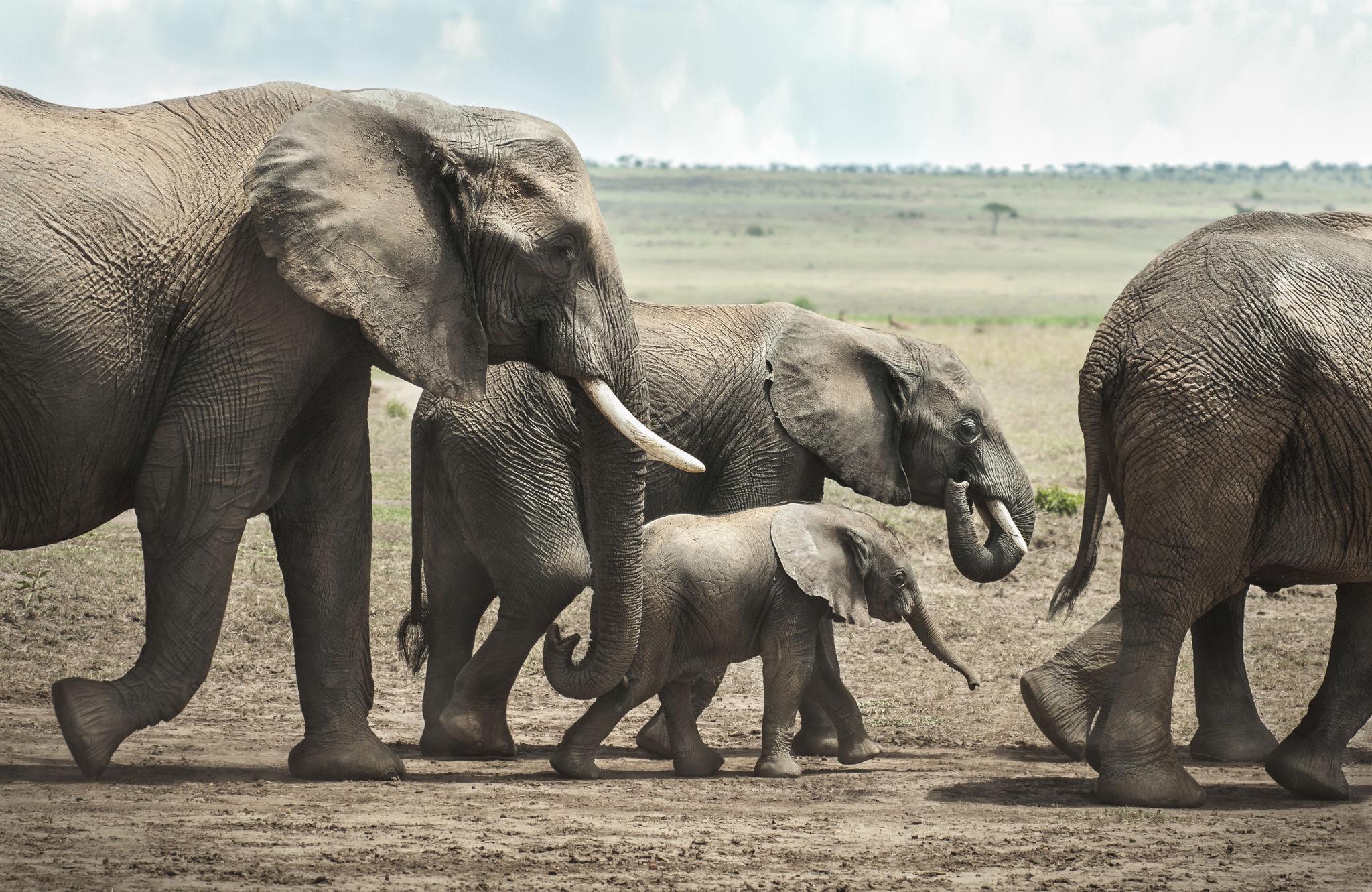
Elephant: Complete Guide to the World’s Largest Land Animal
Elephants are among the most remarkable and intelligent creatures on Earth, known for their massive size, complex social behavior, and emotional depth. As the largest land animals in the world, elephants have fascinated humans for centuries and continue to play a vital role in ecosystems across Africa and Asia. They are not only symbols of strength and wisdom but also highly sensitive animals capable of forming deep family bonds, communicating over long distances, and demonstrating behaviors that suggest advanced intelligence.
In today’s world, elephants are facing increasing threats due to habitat loss, poaching, and human-wildlife conflict. As a result, understanding their biology, behavior, and conservation needs has become more important than ever. This comprehensive guide explores everything about elephants, including their species, habitat, diet, intelligence, and the urgent need for conservation efforts to protect their future.
What Is an Elephant?
An elephant is a large mammal belonging to the family Elephantidae. Elephants are easily recognized by their long trunks, large ears, tusks, and massive bodies. They are herbivores, meaning they primarily feed on plants, grasses, fruits, and bark.
There are two main species of elephants found in the world today: the African elephant and the Asian elephant. These species differ in size, ear shape, tusk structure, and habitat preferences, but both share similar intelligence and social behavior patterns.
Elephants have one of the most complex brains in the animal kingdom, and their behavior reflects advanced emotional and cognitive abilities. They are known to show empathy, grief, cooperation, and memory retention that lasts for many years.
Elephant Species: African vs Asian
The African elephant is the larger of the two species and is typically found across sub-Saharan Africa. It is known for its large ears that resemble the shape of the African continent, which help regulate body temperature in hot climates. African elephants also tend to have larger tusks and more rugged skin.
The Asian elephant is smaller and primarily found in countries such as India, Sri Lanka, Thailand, and parts of Southeast Asia. Asian elephants have smaller ears, a more rounded back, and are often domesticated in some regions for work and ceremonial purposes.
Despite their differences, both species share strong social bonds and live in herds led by a matriarch, usually the oldest and most experienced female in the group.
Elephant Habitat and Distribution
Elephants inhabit a wide range of environments, including savannas, forests, grasslands, and marshes. African elephants are commonly found in open savanna regions, while Asian elephants tend to live in dense forested areas.
Their habitat plays a crucial role in their survival, as elephants require large areas of land to find sufficient food and water. They are migratory animals, often traveling long distances in search of resources. Unfortunately, habitat destruction caused by human expansion is one of the biggest threats to their survival.
As human populations grow, elephants are increasingly forced into smaller areas, leading to conflict with humans over land and resources. This has made conservation efforts essential for their long-term survival.
Elephant Diet and Feeding Behavior
Elephants are herbivores with a massive appetite, consuming hundreds of kilograms of food each day. Their diet includes grass, leaves, bark, fruits, and roots. Because of their size, elephants spend a large portion of their day eating to maintain their energy levels.
Their trunk plays a crucial role in feeding, allowing them to grasp food, drink water, and even strip bark from trees. Elephants also use their tusks to dig for water or strip bark when necessary.
Their feeding behavior also contributes to the ecosystem. By moving through forests and grasslands, elephants help spread seeds and create pathways that benefit other animals, making them a keystone species in many ecosystems.
Elephant Intelligence and Social Structure
One of the most fascinating aspects of elephants is their intelligence. Studies have shown that elephants have strong memories, problem-solving abilities, and emotional awareness. They can recognize themselves in mirrors, communicate through vibrations, and even mourn their dead.
Elephants live in highly organized social groups called herds, which are usually led by a matriarch. The matriarch is responsible for guiding the herd, making decisions about movement, and protecting the group from threats. Male elephants typically leave the herd when they reach maturity and live more solitary lives or form small bachelor groups.
Communication among elephants includes vocal sounds, body language, and low-frequency vibrations known as infrasound, which can travel several kilometers. This allows herds to stay connected even when they are far apart.
Threats Facing Elephants
Despite their strength and intelligence, elephants face serious threats in the wild. Poaching for ivory remains one of the biggest dangers, particularly for African elephants. Habitat loss due to deforestation, agriculture, and urban expansion is another major issue.
Human-elephant conflict is also increasing as elephants move into farmland in search of food. This often leads to damage to crops and retaliation from humans, creating a dangerous cycle for both sides.
Climate change further complicates the situation by affecting water sources and food availability, making survival even more challenging for wild populations.
Elephant Conservation Efforts
Conservation organizations around the world are working to protect elephant populations through anti-poaching initiatives, habitat protection, and awareness campaigns. National parks and wildlife reserves play a critical role in providing safe environments for elephants to live and migrate.
International laws and bans on ivory trade have also been implemented to reduce poaching pressure. However, enforcement remains a challenge in many regions.
Public awareness and responsible tourism can also contribute to conservation efforts. Supporting ethical wildlife tourism helps protect elephants while promoting sustainable economic opportunities for local communities.
Conclusion
Elephants are extraordinary animals that play a vital role in maintaining ecological balance and biodiversity. Their intelligence, emotional depth, and social complexity make them one of the most fascinating species on the planet. However, they are also under serious threat due to human activities and environmental changes.
Protecting elephants requires global cooperation, strong conservation policies, and increased public awareness. By understanding their behavior, habitat needs, and challenges, we can contribute to ensuring that future generations continue to witness these majestic creatures in the wild.
Frequently Asked Questions (FAQ)
What is an elephant?
An elephant is the largest land mammal, known for its trunk, tusks, intelligence, and social behavior.
Where do elephants live?
Elephants live in Africa and Asia, in habitats such as savannas, forests, and grasslands.
What do elephants eat?
Elephants are herbivores that eat grass, leaves, bark, fruits, and roots.
Why are elephants endangered?
They are threatened by poaching, habitat loss, and human-wildlife conflict.
Are elephants intelligent?
Yes, elephants are highly intelligent and show memory, empathy, and problem-solving abilities.
How long do elephants live?
Elephants can live between 50 to 70 years in the wild.