Sapphire: Meaning, Uses, Value, and Buying Guide
Sapphire: The Complete Guide to History, Meaning, Types, and Value
Sapphire is one of the most admired gemstones in the world, known for its stunning beauty, durability, and deep connection with royalty, culture, and personal style. For centuries, people have valued sapphire not only as a precious stone but also as a symbol of wisdom, loyalty, protection, and elegance. Its rich colors, especially the famous blue variety, have made it a favorite choice for jewelry lovers, collectors, and gemstone experts.
Unlike many gemstones that are appreciated only for their appearance, sapphire has a unique combination of beauty and strength. It belongs to the corundum mineral family, the same group that includes ruby. The difference between ruby and sapphire comes from trace elements that create their colors. While ruby gets its red shade from chromium, sapphire can display many colors because of different mineral elements inside the crystal structure.
Today, sapphire continues to attract attention in engagement rings, luxury jewelry, fashion accessories, and gemstone investments. Whether you are interested in buying a sapphire ring, learning about gemstone meanings, or understanding what makes a sapphire valuable, this guide explains everything you need to know.
What Is Sapphire and Why Is It So Valuable?
Sapphire is a precious gemstone formed from a mineral called corundum, which is made primarily of aluminum oxide. In its pure form, corundum is naturally colorless. However, small amounts of elements such as iron, titanium, chromium, and magnesium create the different colors found in sapphires.
The most recognized sapphire color is blue, but these gemstones can also appear in pink, yellow, green, orange, purple, and even white varieties. The wide range of colors makes sapphire a flexible gemstone for different jewelry styles and personal preferences.
One of the main reasons sapphire is valuable is its exceptional hardness. On the Mohs hardness scale, sapphire ranks 9 out of 10, making it one of the hardest natural materials after diamond. This strength allows sapphire jewelry to maintain its shine and resist scratches during everyday wear.
Sapphire value depends on several important factors, including:
- Color quality and intensity
- Clarity of the gemstone
- Cut and shape
- Carat weight
- Origin and rarity
- Treatment history
A high-quality sapphire with strong color, excellent clarity, and a desirable origin can reach very high prices in the gemstone market. Natural sapphires with limited treatments are especially valuable among collectors.
The History and Cultural Importance of Sapphire
Sapphire has a long history that stretches back thousands of years. Ancient civilizations admired this gemstone because of its beauty and believed it carried special powers. Many cultures connected sapphire with wisdom, honesty, and spiritual protection.
In ancient Persia, people believed the Earth rested on a giant sapphire, and its reflection created the color of the sky. Religious traditions also gave sapphire an important place. Historical texts mention sapphire as a symbol of purity and divine connection.
Royal families throughout history have worn sapphire jewelry as a sign of power and elegance. One of the most famous examples is the engagement ring associated with Princess Diana and later worn by Catherine, Princess of Wales. This helped increase global interest in blue sapphire jewelry.
Sapphire has also been connected with important anniversaries. It is traditionally recognized as the gemstone for the 5th and 45th wedding anniversaries, representing loyalty, trust, and long-lasting relationships.
The cultural meaning of sapphire continues today. Many people choose sapphire jewelry because they appreciate both its visual beauty and the symbolism behind the stone.
Different Types of Sapphire and Their Unique Features
Although blue sapphire is the most famous variety, sapphire exists in many beautiful forms. Each type has its own appearance, popularity, and market value.
Blue Sapphire
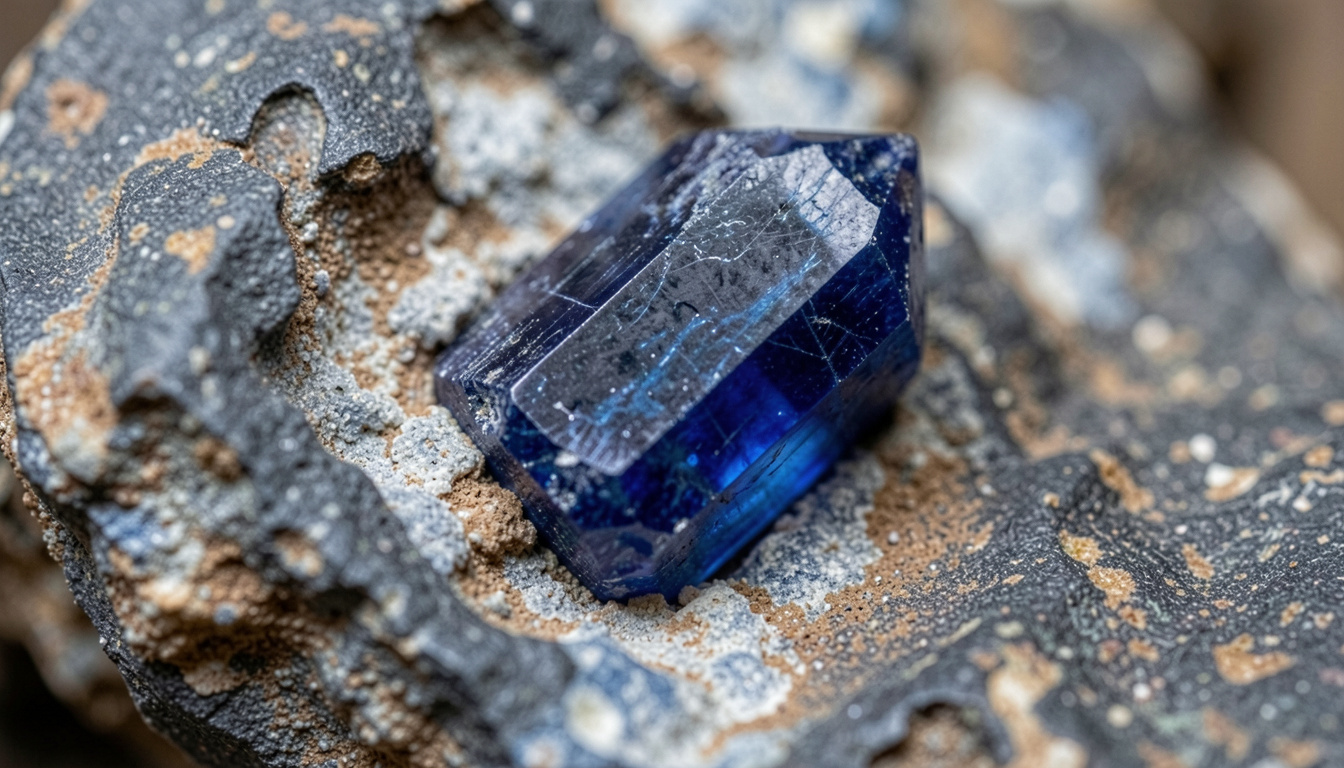
Blue sapphire remains the most popular and valuable variety. Its color can range from light blue to deep royal blue. The finest blue sapphires usually have a vivid, balanced color with excellent transparency.
The famous Kashmir blue sapphire is considered one of the rarest and most valuable types because of its soft, velvety blue appearance. Burmese and Sri Lankan blue sapphires are also highly respected in the gemstone world.
Pink Sapphire
Pink sapphire has gained popularity because of its romantic and elegant appearance. Its color ranges from soft pastel pink to intense pink shades. Unlike ruby, which must have a strong red color, pink sapphire covers a broader range of pink tones.
Many people choose pink sapphire for engagement rings because it offers a unique alternative to traditional diamond jewelry.
Yellow Sapphire
Yellow sapphire is admired for its bright golden appearance. It is often associated with happiness, success, and positive energy in different cultures.
High-quality yellow sapphires with strong golden tones are especially popular in fine jewelry collections.
White Sapphire
White sapphire is a transparent variety that resembles a diamond because of its clear appearance. It is often chosen by people who want a durable gemstone with a more affordable price compared to diamonds.
While white sapphire does not have the same level of brilliance as diamond, its natural beauty and hardness make it an attractive option.
Fancy Color Sapphire
Sapphires that display colors other than blue are known as fancy color sapphires. These include green, orange, purple, and rare color combinations.
The famous padparadscha sapphire, which features a pink-orange color, is among the rarest and most expensive sapphire varieties in the world.
How to Choose a High-Quality Sapphire
Buying a sapphire requires understanding the main quality factors that influence appearance and price. A beautiful gemstone is not only about size. Color, clarity, and craftsmanship play major roles.
Color
Color is the most important factor when evaluating sapphire quality. The best sapphires usually have strong saturation and an attractive tone. For blue sapphires, buyers often look for a rich blue shade that is neither too dark nor too pale.
A balanced color makes the gemstone appear more lively and valuable.
Clarity
Sapphires naturally contain internal features called inclusions. Unlike diamonds, completely flawless sapphires are extremely rare. Some inclusions are acceptable if they do not reduce the gemstone’s beauty.
A good sapphire should appear clean to the eye and allow light to move through the stone.
Cut
The cut determines how well a sapphire reflects light. A skilled gemstone cutter creates a shape that improves brightness, color display, and overall appearance.
Popular sapphire cuts include oval, cushion, round, emerald, and pear shapes.
Carat Weight
Larger sapphires are usually more valuable, especially when they maintain excellent color and clarity. However, a smaller high-quality sapphire can sometimes be worth more than a larger stone with poor characteristics.
Sapphire Jewelry: Rings, Necklaces, and Everyday Style
Sapphire jewelry has remained popular because it combines luxury with practicality. Its hardness makes it suitable for everyday pieces, including engagement rings, earrings, bracelets, and necklaces.
Sapphire engagement rings are especially popular because they offer a distinctive appearance compared to traditional diamond rings. Blue sapphire creates a classic look, while pink and yellow sapphires provide more colorful options.
When choosing sapphire jewelry, consider the metal setting as well. White gold and platinum often highlight blue sapphires, while yellow gold can create a warm and traditional appearance.
Proper care helps sapphire jewelry maintain its beauty. Although sapphire is durable, regular cleaning and professional inspections can keep the gemstone looking bright for many years.
Simple care tips include:
- Clean sapphire jewelry with mild soap and warm water
- Avoid harsh chemicals
- Store pieces separately to prevent scratches on other jewelry
- Check settings regularly for loose stones
Natural Sapphire vs Synthetic Sapphire: Understanding the Difference
Modern technology allows manufacturers to create synthetic sapphires in laboratories. These stones have the same chemical composition and physical properties as natural sapphires.
Synthetic sapphires are usually more affordable because they are created through controlled processes. They are often used in watches, electronics, and affordable jewelry.
Natural sapphires are formed underground over millions of years. Their rarity, origin, and unique characteristics make them more desirable for collectors and luxury buyers.
When purchasing a sapphire, it is important to ask about treatments and certification. Many natural sapphires receive heat treatment to improve color and clarity. This process is widely accepted in the gemstone industry, but untreated stones usually command higher prices.
A trusted gemstone certificate can provide information about authenticity, origin, and treatments.
The Future Popularity and Lasting Appeal of Sapphire
Sapphire has remained popular for generations because it combines timeless beauty, durability, and meaningful symbolism. Unlike temporary fashion trends, sapphire jewelry continues to maintain its place in luxury markets.
Modern buyers are increasingly interested in gemstones that offer personality and uniqueness. Sapphire meets this demand by providing many colors, styles, and price options.
From royal collections to modern engagement rings, sapphire continues to represent elegance and individuality. Its long history, impressive durability, and wide range of colors ensure that it will remain one of the world’s most loved gemstones.
Whether you are purchasing your first gemstone, selecting a meaningful gift, or building a jewelry collection, sapphire offers a combination of beauty and value that few stones can match. A carefully chosen sapphire can become more than a piece of jewelry. It can become a personal symbol that lasts for generations.