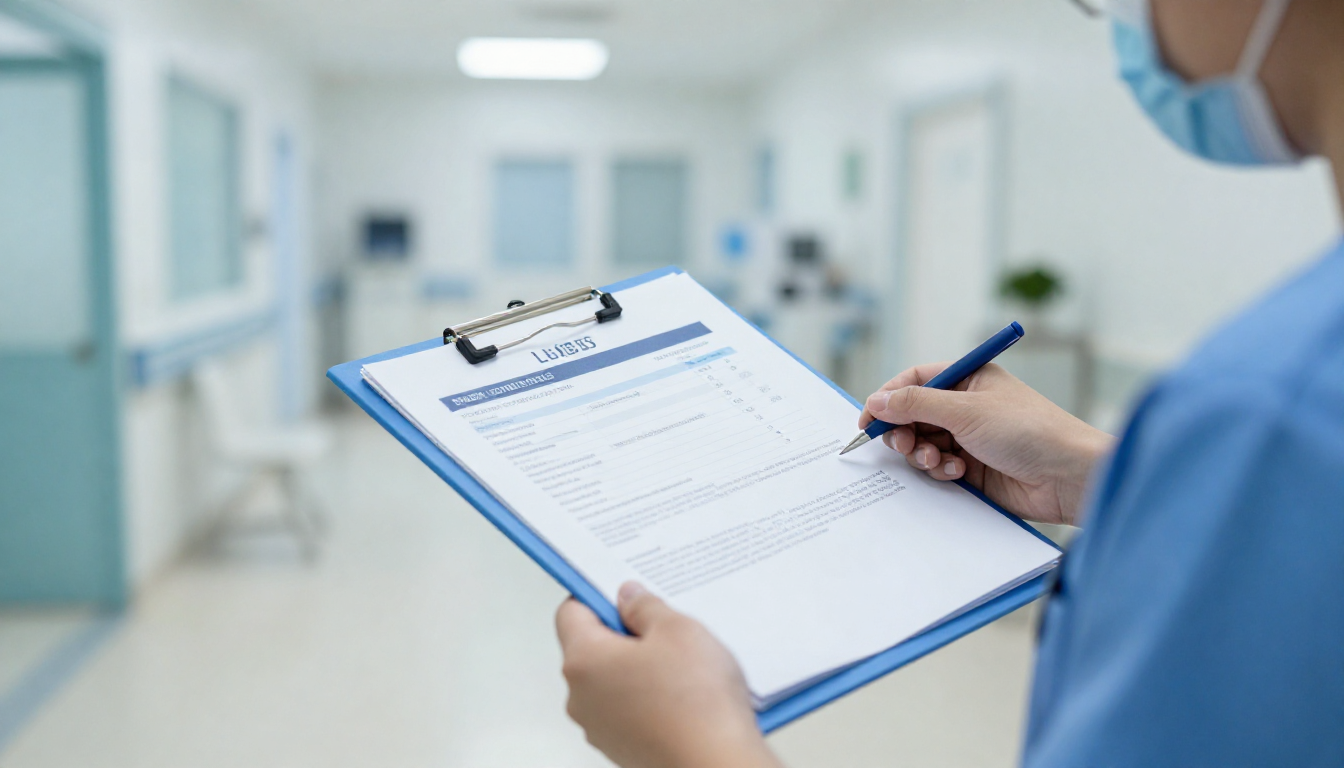
Care Docs: Complete Guide to Digital Care Documentation
Care Docs: The Complete Guide to Better Healthcare Documentation and Management
Healthcare depends on accurate information, clear communication, and proper record management. Every patient interaction, treatment decision, and care plan requires reliable documentation to ensure people receive the right support at the right time. This is where care docs become extremely important. Care docs help healthcare professionals, caregivers, organizations, and patients maintain organized records that improve the quality of care.
Whether used in hospitals, care homes, private practices, or digital healthcare platforms, care docs provide a structured way to record important details about a person’s health journey. They can include medical histories, care plans, progress notes, medication details, assessments, and communication records between healthcare teams.
As healthcare continues to become more digital, the demand for efficient documentation systems has grown. Traditional paperwork can create problems such as missing information, slow updates, and difficulty sharing records. Modern care docs solve many of these challenges by creating accessible and organized digital records.
This guide explains what care docs are, why they matter, their benefits, key features, and how they support better healthcare outcomes.
What Are Care Docs and How Do They Work?
Care docs are documents or digital records designed to capture and manage information related to an individual’s care. They provide healthcare workers with a complete overview of a person’s needs, preferences, treatments, and progress.
A care doc can be created for many different situations. Hospitals may use them to record patient treatment details, while care providers may use them to manage daily support activities. Families and caregivers can also benefit because these documents make important information easier to understand and follow.
The main purpose of care docs is to create a clear record that supports communication. When multiple professionals are involved in someone’s care, accurate documentation helps everyone understand what has happened and what needs to happen next.
Common information included in care docs may include:
- Personal information and emergency contacts
- Medical history and health conditions
- Medication schedules
- Treatment plans
- Daily care requirements
- Progress updates
- Risk assessments
- Support preferences
- Notes from healthcare professionals
Digital care docs often include additional features such as automatic updates, secure access controls, search options, and integration with other healthcare systems.
By keeping information organized in one place, care docs reduce confusion and help professionals make informed decisions.
Why Care Docs Are Important in Modern Healthcare
Healthcare involves many moving parts. A patient may interact with doctors, nurses, specialists, therapists, and caregivers. Without proper documentation, important details can easily be overlooked.
Care docs create consistency between different healthcare providers. When everyone has access to accurate information, the chances of mistakes decrease, and patients receive more personalized support.
One of the biggest advantages of care documentation is improved communication. A healthcare team can quickly review previous notes, understand current needs, and continue treatment without unnecessary delays.
Care docs also help organizations maintain professional standards. Healthcare providers must often follow strict guidelines for record keeping, privacy, and accountability. Well-maintained documentation supports compliance and demonstrates that proper care procedures are being followed.
For patients, care docs provide reassurance. They help ensure that personal needs, preferences, and medical information are recognized throughout the care process.
Key Features of Effective Care Docs
A good care documentation system should be simple, reliable, and easy for users to understand. Whether it is a digital platform or a structured paper document, certain features make care docs more useful.
Organized Patient Information
The foundation of any care doc is accurate information organization. Important details should be easy to find without searching through multiple files.
A well-designed system separates information into clear sections, allowing healthcare workers to quickly access medical history, care instructions, and recent updates.
Real-Time Updates
Healthcare situations can change quickly. A person’s medication, condition, or care requirements may need regular adjustments.
Digital care docs allow authorized users to update information immediately. This helps ensure that everyone involved works with the latest details.
Secure Access
Healthcare information is private and sensitive. Effective care docs include security features that protect personal data.
Access controls ensure that only approved individuals can view or edit specific information. This helps maintain patient privacy while allowing necessary communication.
Care Planning Tools
Many care documentation systems include tools for creating personalized care plans. These plans outline goals, required support, and recommended actions.
A clear care plan helps teams provide consistent assistance and measure progress over time.
Reporting and Tracking
Tracking changes and progress is another important feature. Care docs can help identify patterns, monitor improvements, and highlight areas that require attention.
These records allow healthcare professionals to make better decisions based on real information rather than assumptions.
Benefits of Using Care Docs for Healthcare Providers and Patients
Care docs offer advantages for both professionals and individuals receiving care. Their value comes from improving organization, communication, and decision-making.
For healthcare providers, care docs save time by reducing manual paperwork and making information easier to access. Instead of searching through physical files, professionals can quickly review digital records.
Better documentation also improves teamwork. When nurses, doctors, and caregivers share accurate information, they can coordinate their efforts more effectively.
Patients benefit from more personalized care. A detailed care document allows providers to understand individual needs instead of using a general approach.
Other benefits include:
- Improved care quality
- Faster access to important information
- Reduced documentation errors
- Better communication between teams
- Easier monitoring of patient progress
- Stronger accountability
- Improved healthcare planning
Care docs also support families and caregivers by providing clear guidance. When people understand a person’s care requirements, they can offer better support.
How Digital Care Docs Are Changing Healthcare Management
Technology has transformed the way healthcare organizations manage information. Digital care docs have replaced many traditional paper-based systems because they offer greater flexibility and efficiency.
Paper records can be difficult to organize, update, and share. They may become damaged, misplaced, or outdated. Digital documentation removes many of these problems by storing information securely and making it accessible when needed.
Modern care doc platforms often connect with electronic health records, scheduling systems, and communication tools. This creates a smoother workflow for healthcare teams.
Digital solutions also support remote care. With secure online access, professionals can review information even when they are not physically present at a healthcare facility.
This has become especially valuable for home care services, elderly support, and long-term healthcare management.
Artificial intelligence and automation are also influencing the future of care docs. New technologies can help identify missing information, organize notes, and improve documentation accuracy.
As healthcare continues to evolve, digital care docs will likely become an even more important part of patient support.
Best Practices for Creating Accurate Care Docs
Creating useful care documentation requires attention to detail and regular updates. A document is only valuable when the information inside it is accurate and relevant.
Healthcare professionals should focus on writing clear and simple notes. Complex language can create misunderstandings, especially when multiple people rely on the same information.
Regular reviews are also important. Care needs can change over time, so documentation should reflect current conditions and requirements.
Some best practices include:
- Update information regularly
- Use clear and understandable language
- Record important changes immediately
- Protect private information
- Follow healthcare documentation guidelines
- Include relevant details without unnecessary information
- Encourage communication between care teams
Training is another important factor. Staff members should understand how to use documentation systems properly to maintain accuracy and consistency.
When organizations follow good documentation practices, care docs become powerful tools for improving healthcare experiences.
The Future of Care Docs and Healthcare Documentation
The future of care docs will continue to focus on accessibility, security, and smarter technology. As healthcare systems become more connected, documentation will play an even larger role in delivering personalized support.
Future care documentation systems may include advanced automation, predictive tools, and improved data analysis. These developments can help healthcare professionals identify problems earlier and create better care strategies.
However, the human element will always remain important. Technology can organize information, but healthcare professionals provide the understanding, compassion, and judgment needed for quality care.
Care docs represent more than simple records. They create a connection between patients, caregivers, and healthcare teams. When used properly, they help ensure that every person receives informed, consistent, and respectful support.
As healthcare expectations continue to grow, accurate care documentation will remain one of the most important foundations for delivering better outcomes. Whether through digital platforms or structured records, care docs will continue helping organizations provide safer and more effective care for years to come.