media wall: A Complete Guide to Design, Features, Benefits, and Modern Event Experiences
Visual experiences have become one of the most important elements in modern events, businesses, and creative spaces. People no longer respond only to traditional displays; they expect engaging designs that capture attention and create memorable moments. A media wall has become a popular solution for organizations, event planners, brands, and creative professionals who want to combine technology with visual storytelling. These installations use digital displays, creative graphics, lighting, and interactive features to transform ordinary spaces into impressive environments.
As technology continues improving, visual communication has become more dynamic and flexible. Businesses use digital walls to promote their identity, events use them to create atmosphere, and public spaces use them to deliver information in an attractive way. Understanding how these systems work, their benefits, and their applications helps explain why they continue gaining popularity.
What Is a Media Wall?
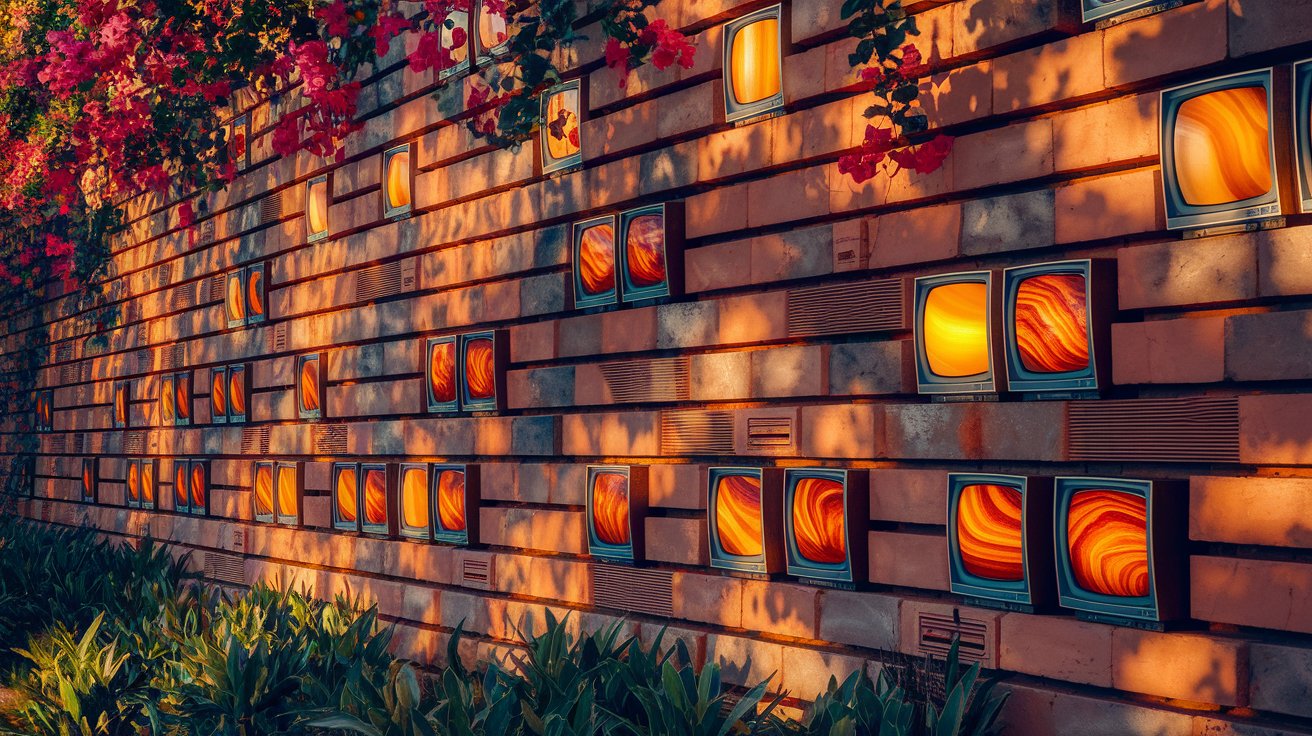
A media wall is a large digital display system designed to present visual content in an engaging format. It can include LED screens, video panels, interactive displays, or multiple connected screens that work together as one large visual surface.
Unlike traditional signs or printed backgrounds, these digital installations can display changing content such as videos, animations, images, branding messages, live updates, and interactive experiences.
A modern media wall combines technology and creativity. Instead of showing a fixed message, it allows organizations to update content whenever needed, making it a flexible communication tool.
These systems are used in many environments, including:
- Corporate offices
- Retail spaces
- Conferences
- Exhibitions
- Entertainment venues
- Hospitality locations
- Public areas
Their ability to attract attention and deliver information quickly makes them valuable in many industries.
The Growth of Digital Visual Communication
Visual communication has always played an important role in human interaction. From posters and signs to television screens and digital platforms, people naturally respond to images and movement.
The development of digital technology has changed how organizations communicate with audiences. Static displays are being replaced by dynamic solutions that provide more creativity and flexibility.
Several factors have contributed to the growth of digital visual systems:
Improved Technology
Modern screens offer better brightness, clarity, and performance. This allows businesses to create high-quality visuals in different environments.
Changing Audience Expectations
People are surrounded by digital content every day. They expect attractive visuals and engaging experiences.
Flexible Content Management
Digital systems allow quick updates without replacing physical materials.
Stronger Brand Experiences
Companies want to create memorable interactions rather than simply display information.
These changes have increased demand for advanced visual solutions.
Key Features of Modern Media Walls
A successful digital display system depends on several important features. These features determine how effectively it communicates with audiences.
High-Quality Visuals
One of the biggest advantages of digital walls is their ability to produce clear and detailed images. High-resolution screens create professional presentations that capture attention.
Customizable Content
Organizations can change displayed content based on different events, campaigns, or communication goals.
For example, a business may show promotional videos during a product launch and switch to informational content during regular operations.
Interactive Capabilities
Some systems include touch features, motion sensors, or connected technology that allows audiences to interact directly.
Flexible Design Options
Digital walls can be created in different shapes, sizes, and configurations to match specific spaces.
These features make them suitable for both practical communication and creative expression.
How Businesses Use Media Walls
Businesses use digital displays to improve customer experiences, strengthen branding, and communicate important information.
Corporate Environments
Companies often install digital walls in reception areas, meeting spaces, and headquarters. They can display company achievements, employee information, brand stories, and internal announcements.
A well-designed media wall creates a professional first impression and helps visitors understand the company’s identity.
Retail Stores
Retail businesses use digital displays to attract customers and promote products. Moving visuals can highlight special offers, product demonstrations, and seasonal campaigns.
Digital content can be updated quickly, allowing stores to respond to changing marketing needs.
Events and Conferences
Events require strong visual impact. Digital walls create attractive backgrounds for presentations, stages, and networking areas.
They can display:
- Event branding
- Speaker information
- Social media updates
- Sponsor messages
- Live content
This improves the overall atmosphere and creates memorable experiences.
The Role of Media Walls in Branding
Branding is about creating recognition and emotional connections. A digital display provides an opportunity to communicate brand identity through visuals, motion, and storytelling.
A strong branding display can include:
- Company logos
- Brand colors
- Product videos
- Customer messages
- Creative animations
Unlike traditional signs, digital walls allow brands to tell evolving stories. They can adjust content based on campaigns, audiences, and events.
This flexibility makes the technology valuable for companies that want to maintain a modern image.
Benefits of Using Digital Display Solutions
Digital walls provide several advantages compared with traditional display methods.
Better Audience Engagement
Moving visuals naturally attract attention. People are more likely to notice and remember content presented through engaging formats.
Easy Content Updates
Businesses can change messages instantly without producing new physical materials.
Professional Appearance
A well-designed digital installation creates a modern and sophisticated environment.
Multiple Uses
The same system can support advertising, information sharing, entertainment, and branding.
Long-Term Value
Although installation requires investment, the ability to reuse and update content provides lasting benefits.
These advantages explain why more organizations are adopting digital display technology.
Designing an Effective Media Wall
Creating a successful digital installation requires careful planning. Technology alone does not guarantee a good experience. Design, placement, and content strategy are equally important.
Important considerations include:
Location
The position of the display affects visibility and audience interaction. A busy area may require brighter visuals and larger screens.
Content Quality
Strong visuals and clear messages create better engagement. Poor-quality content can reduce the impact of even advanced technology.
Audience Needs
The design should match the expectations of the people viewing it.
Brand Alignment
The appearance and messaging should support the organization’s identity.
A thoughtful approach ensures the display creates meaningful results.
The Importance of Content Strategy
A digital wall is only effective when the content is carefully planned. Constantly showing the same visuals may reduce audience interest over time.
A good content strategy includes:
- Regular updates
- Clear messaging
- Attractive visuals
- Relevant information
- Appropriate timing
Different environments require different content approaches. A retail store may focus on promotions, while a corporate office may focus on communication and branding.
Technology Behind Digital Displays
Modern digital walls rely on several technologies working together.
Important components include:
LED and Display Panels
These create the main visual surface and determine image quality.
Control Systems
Software manages what appears on the screen and allows updates.
Connectivity Features
Network connections enable remote management and real-time changes.
Interactive Tools
Sensors and touch technology can create more engaging experiences.
Continuous improvements in technology are making these systems more powerful and accessible.
Common Mistakes to Avoid
Although digital walls offer many benefits, poor planning can reduce their effectiveness.
Common mistakes include:
Overloading Viewers With Information
Too much content can make messages difficult to understand.
Ignoring Design Quality
A display should look professional and match the environment.
Failing to Update Content
Old content can make a digital installation feel outdated.
Choosing the Wrong Size
The display should match the viewing distance and location.
Avoiding these mistakes helps organizations achieve better results.
Future Trends in Digital Display Technology
The future of visual communication will continue developing as technology advances.
Several trends are expected to influence digital displays:
Greater Interactivity
More systems will allow audiences to participate directly through touch, movement, or mobile connections.
Artificial Intelligence Integration
AI may help personalize content based on audience behavior.
More Creative Designs
Flexible screens and advanced visual effects may create new possibilities.
Improved Sustainability
Energy-efficient technology will become increasingly important.
These developments will make digital experiences more engaging and practical.
Why Media Walls Are Becoming Essential
Modern audiences value experiences. They want environments that feel interactive, creative, and memorable.
A media wall helps organizations create these experiences by combining design, technology, and communication.
Whether used for branding, information sharing, or entertainment, digital walls provide a powerful way to connect with audiences.
Their ability to adapt makes them suitable for changing communication needs.
Conclusion
Digital technology has transformed how organizations communicate with audiences. A media wall represents this transformation by combining visual creativity, advanced technology, and flexible communication.
From corporate spaces and retail environments to events and public areas, digital walls provide opportunities to create engaging experiences and strengthen brand identity. Their ability to display changing content, attract attention, and support different purposes makes them a valuable tool in modern communication.
As technology continues evolving, digital display solutions will become even more interactive, creative, and accessible. Organizations that understand the value of visual storytelling can use these systems to create stronger connections with their audiences and build memorable experiences.