Mercedes ML Cars – The Evolution of Luxury SUVs
The Mercedes-Benz M-Class, commonly known as the Mercedes ML, represents one of the most important milestones in the history of luxury sport utility vehicles. Introduced in the late 1990s, it helped redefine what an SUV could be—combining off-road capability with the comfort, technology, and prestige expected from a premium brand like Mercedes-Benz.
Over the years, the ML evolved through multiple generations, eventually transitioning into what is now known as the Mercedes-Benz GLE. This article explores the history, design, performance, and lasting legacy of Mercedes ML cars.
🚗 The Birth of the Mercedes ML
The first-generation M-Class (ML) was introduced in 1997. It marked a major step for Mercedes-Benz, as it was one of the company’s first serious entries into the SUV market.
At the time, SUVs were primarily seen as rugged, utilitarian vehicles. The ML changed this perception by offering:
- A comfortable, car-like driving experience
- Premium interior materials
- Advanced safety features
- Off-road capability with everyday usability
It was also notable for being built in the United States, at Mercedes-Benz’s plant in Alabama, highlighting its importance in the global market.
🔄 Generations of the Mercedes ML
🔹 First Generation (W163: 1997–2005)
The original ML was designed to appeal to families and professionals who wanted a versatile vehicle.
Key features included:
- Body-on-frame construction
- Four-wheel-drive system
- Spacious interior
- Early adoption of electronic safety systems
Despite some early quality concerns, it became a commercial success.
🔹 Second Generation (W164: 2005–2011)
The second-generation ML introduced major improvements.
Highlights:
- Transition to a unibody structure for better ride comfort
- More refined interior design
- Improved handling and performance
- Introduction of advanced driver assistance features
This generation helped solidify the ML’s reputation as a luxury SUV.
🔹 Third Generation (W166: 2011–2015)
The third-generation ML focused on efficiency, technology, and refinement.
Key upgrades:
- More fuel-efficient engines
- Enhanced infotainment systems
- Improved aerodynamics
- Higher-quality materials
This version also introduced hybrid options, reflecting growing environmental awareness.
🔁 Transition to the GLE
In 2015, Mercedes-Benz rebranded the M-Class as the Mercedes-Benz GLE as part of a new naming strategy.
The change aligned SUVs with the company’s sedan lineup:
- “G” for Geländewagen (off-road vehicle)
- “LE” to indicate its relation to the E-Class
Despite the name change, the GLE continues the legacy of the ML.
⚙️ Performance and Engine Options
Mercedes ML cars have always offered a wide range of engines to suit different driving needs.
Common engine types:
- V6 petrol and diesel engines
- V8 performance variants
- Hybrid powertrains (in later models)
Performance characteristics:
- Strong acceleration
- Smooth power delivery
- Capable towing capacity
- Reliable off-road performance
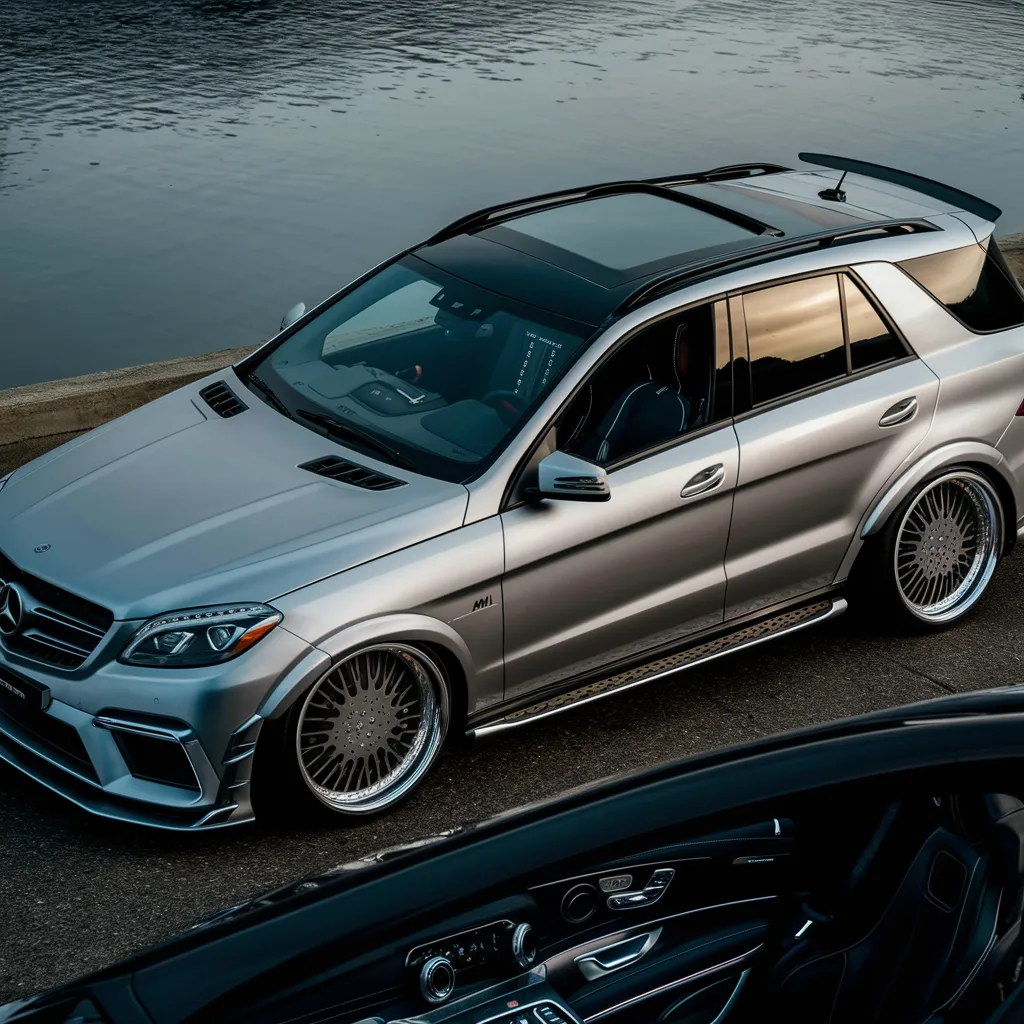
High-performance AMG versions, such as the ML 63 AMG, added a sporty edge with powerful engines and upgraded suspension systems.
🛋️ Interior Comfort and Luxury
One of the defining features of the ML has always been its interior.
Interior highlights:
- Premium leather upholstery
- Spacious seating for five
- Advanced climate control systems
- High-quality materials and finishes
Later models introduced features such as:
- Heated and ventilated seats
- Ambient lighting
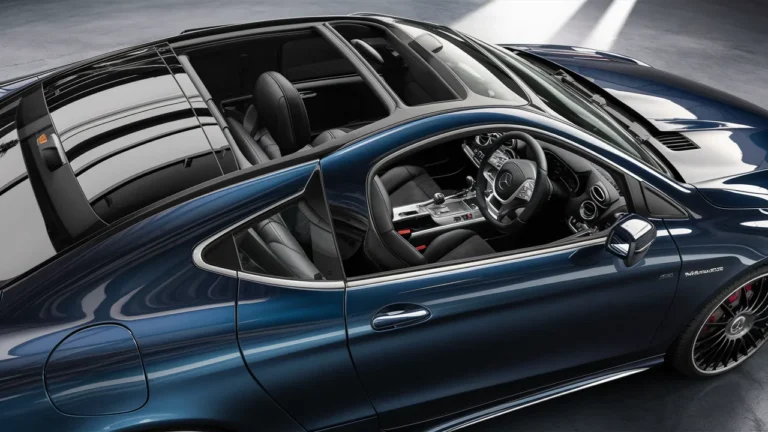
- Panoramic sunroofs
The focus has always been on providing a comfortable and luxurious driving experience.
🧠 Technology and Innovation
Mercedes ML cars have consistently incorporated advanced technology.
Key innovations:
- COMAND infotainment system
- Navigation and multimedia integration
- Driver assistance systems
- Adaptive suspension
Safety has also been a priority, with features such as:
- Electronic stability control
- Collision prevention systems
- Blind spot monitoring
These technologies helped set new standards in the SUV segment.
🛻 Off-Road Capability
Although designed for comfort, the ML retained strong off-road capabilities.
Features included:
- 4MATIC all-wheel-drive system
- Adjustable ride height (in some models)
- Off-road driving modes
- Hill descent control
This made it suitable for both urban driving and outdoor adventures.
📈 Market Position and Competitors
The Mercedes ML competed with several other luxury SUVs, including:
- BMW X5
- Audi Q7
- Lexus RX
While each competitor offered unique strengths, the ML stood out for its balance of luxury, performance, and versatility.
⚖️ Pros and Cons
✔️ Advantages:
- Strong brand reputation
- Comfortable and refined ride
- Advanced technology
- Versatile performance
❌ Disadvantages:
- Higher maintenance costs
- Fuel consumption in larger engines
- Expensive repair parts
Understanding these factors is important for potential buyers.
🌱 Legacy of the Mercedes ML
The Mercedes ML played a crucial role in shaping the modern luxury SUV market. It demonstrated that SUVs could be:
- Comfortable and refined
- Technologically advanced
- Suitable for both city and off-road use
Its success paved the way for the expansion of Mercedes-Benz’s SUV lineup.
✨ Why the ML Still Matters
Even though it has been replaced by the GLE, the ML remains significant because:
- It introduced luxury to the SUV segment
- It influenced future vehicle design
- It remains popular in the used car market
- It represents a key chapter in Mercedes-Benz history
Many drivers still appreciate its durability and timeless appeal.
🧾 Conclusion
The Mercedes-Benz M-Class stands as a landmark in automotive history. By combining luxury, performance, and practicality, it redefined expectations for SUVs and set new standards for the industry.
Today, its legacy lives on through the Mercedes-Benz GLE, which continues to build on the foundation established by the ML. For those seeking a vehicle that blends comfort, capability, and prestige, the Mercedes ML remains a symbol of innovation and excellence.