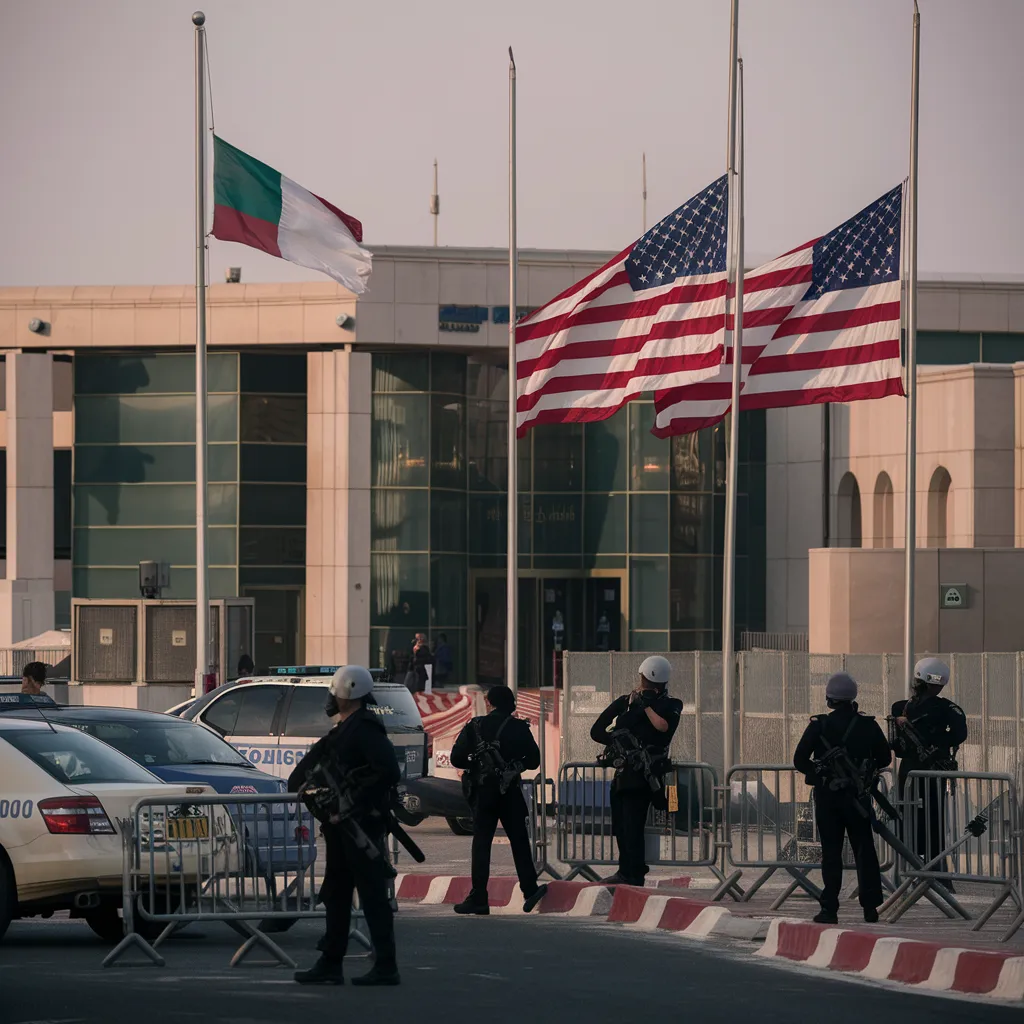
U.S. Embassy Qatar Alert – Security Warnings, Travel Advisory, and What It Means in 2026
In 2026, the U.S. Embassy in Qatar has issued a series of urgent security alerts and travel advisories that have drawn global attention. These alerts are part of a broader pattern of heightened regional tensions in the Middle East, leading to increased caution for U.S. citizens living in or traveling to Qatar.
The situation has evolved rapidly, with multiple updates warning about security risks, suspension of services, and emergency precautions. This article explains the latest U.S. Embassy Qatar alert, what triggered it, and what it means for residents, travelers, and international relations.
🚨 What the Latest U.S. Embassy Qatar Alert Says
Recent security alerts from the U.S. Embassy in Doha have focused on precautionary safety measures and service disruptions. According to official notices:
- The embassy has suspended routine consular services
- Public access to embassy facilities is restricted or fully closed in certain periods
- U.S. citizens are advised to exercise increased caution
- Americans are urged to prepare emergency plans for departure if necessary
In some alerts, the embassy also recommended sheltering in place during periods of heightened tension, emphasizing safety over normal operations.
These steps reflect a precautionary approach rather than a direct evacuation order, but they still signal serious concern about regional stability.
🌍 Why the Alert Was Issued
The alerts are linked to rising geopolitical tensions across the Gulf region. Qatar hosts key strategic facilities, including the major Al Udeid Air Base, which is used by U.S. forces.
Escalating regional instability in 2026—including missile threats, drone activity, and wider Middle East conflict dynamics—has led to increased security warnings for U.S. diplomatic missions.
In earlier advisories, the embassy also referenced:
- Possible threats to U.S. interests in the region
- Increased risk of sudden security incidents
- Need for citizens to avoid unnecessary travel near sensitive areas
These developments prompted repeated “exercise caution” messages and temporary operational changes.
🛑 Suspension of Consular Services
One of the most significant developments in the 2026 alerts is the suspension of routine consular services.
This means:
- No regular visa appointments
- No routine passport services
- Limited in-person assistance
- Emergency-only support for U.S. citizens
The embassy has made clear that while emergency support continues, normal administrative services are not currently available.
This type of suspension is usually rare and indicates that the embassy is operating under elevated security protocols.
⚠️ Advice for U.S. Citizens in Qatar
The U.S. Embassy has issued clear guidance for American citizens in Qatar. Key recommendations include:
🏠 Stay Alert and Prepared
- Monitor official embassy alerts regularly
- Avoid large gatherings or sensitive areas
- Keep emergency supplies and documents ready
🧳 Prepare an Exit Plan
- Identify possible travel routes out of the country
- Ensure passports and travel documents are valid
- Do not rely solely on government-assisted evacuation
📱 Stay Connected
- Register with the embassy’s citizen services program
- Enable emergency notifications
- Maintain communication with family and employers
In some advisories, Americans were also told that they should not assume the U.S. government will be able to evacuate them in a crisis situation.
✈️ Travel Advisory Status
The U.S. Department of State has issued a Level 3: Reconsider Travel advisory for Qatar in 2026 due to regional security risks.
This means:
- Non-essential travel is discouraged
- Travelers should expect possible disruptions
- Security conditions may change rapidly
Additionally, U.S. government personnel have been ordered in some cases to leave non-essential posts in the region due to safety concerns.
🧭 Impact on Daily Life in Qatar
Although Qatar remains relatively stable in many areas, the embassy alerts have had noticeable effects:
✈️ Aviation and Travel
- Occasional flight disruptions or heightened airport security
- Increased screening for international departures
🏢 Diplomatic Activity
- Reduced embassy operations
- Temporary restrictions on public services
👥 Community Awareness
- Foreign residents advised to stay cautious
- International schools and organizations adjusting safety policies during alerts
Despite these precautions, Qatari authorities have often emphasized that the country’s internal security remains stable.
🛡️ Qatar’s Security Position
The State of Qatar continues to maintain strong internal security systems and coordination with international partners. However, its strategic location and hosting of foreign military facilities mean it is closely affected by regional tensions.
Authorities typically respond to embassy alerts by:
- Increasing surveillance and air defense readiness
- Coordinating with allied security forces
- Assuring residents that no direct internal threat is confirmed
🌐 Broader Regional Context
The 2026 U.S. Embassy Qatar alert is not isolated. Similar warnings have been issued across multiple countries in the Middle East due to wider geopolitical tensions.
U.S. embassies in the region have:
- Issued shelter-in-place orders
- Temporarily reduced staffing
- Warned of potential missile or drone threats
These coordinated alerts reflect a regional security environment that remains unpredictable and sensitive.
🧠 What This Means for Travelers and Expats
For travelers and expatriates, the key takeaway is heightened caution, not panic.
Important points:
- Qatar is still functioning normally in most daily activities
- Alerts are precautionary and security-based
- Situations can change quickly depending on regional developments
Travelers are encouraged to:
- Follow official embassy guidance
- Stay updated on airline and government advisories
- Avoid unnecessary travel during alert periods
✨ Conclusion
The U.S. Embassy in Qatar alert in 2026 reflects a period of increased regional tension and precautionary security measures. While routine services have been suspended and caution has been advised, the situation is primarily preventive rather than indicating immediate danger within Qatar itself.