Mixed Emotion Explained: Understanding the Complexity of Human Feelings
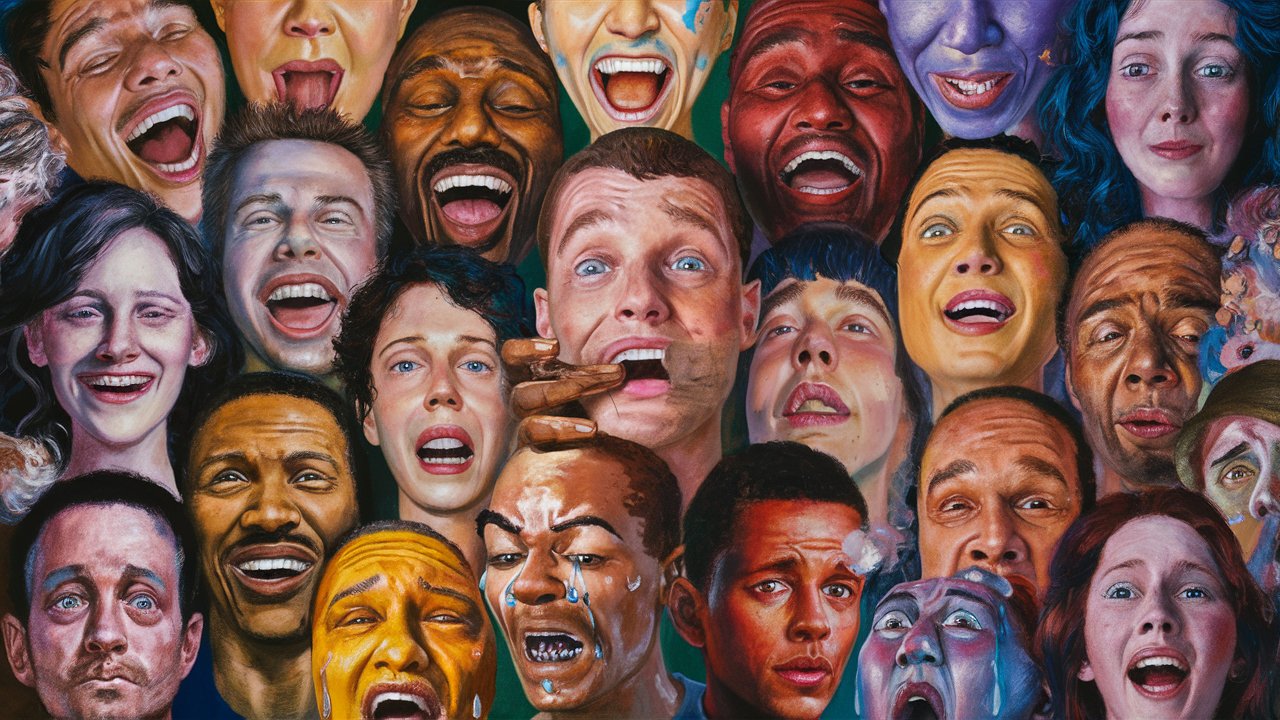
Human emotions are rarely simple. While many people think of feelings as individual experiences such as happiness, sadness, anger, or excitement, real-life emotional experiences are often far more complicated. One of the most fascinating aspects of psychology is the concept of mixed emotion, a state in which a person experiences two or more emotions simultaneously. These emotions may complement one another or even appear to contradict each other, creating a rich and complex emotional experience.
Almost everyone has experienced mixed emotions at some point in life. Graduating from school can bring excitement about the future while also creating sadness about leaving friends behind. Moving to a new city can inspire hope and anticipation while triggering anxiety and uncertainty. The birth of a child, retirement, career changes, relationships, and major life transitions often involve emotional responses that are both positive and negative at the same time.
Understanding mixed emotions is important because they influence decision-making, relationships, mental well-being, and personal growth. Rather than viewing emotions as simple categories, modern psychology recognizes that human feelings exist on a spectrum where multiple emotional states can coexist. This article explores the meaning of mixed emotion, its psychological foundations, common causes, real-world examples, and its role in emotional intelligence and personal development.
What Is Mixed Emotion?
Mixed emotion refers to the experience of feeling multiple emotions simultaneously. These emotions may be similar or entirely different. In some cases, a person may feel happiness and sadness at the same moment. In others, they may experience love and frustration, confidence and fear, or gratitude and disappointment.
Contrary to popular belief, emotions are not always mutually exclusive. The human brain is capable of processing multiple emotional responses to a single event because experiences often contain both positive and negative elements. Life situations are rarely completely good or completely bad, which explains why emotional reactions can be equally complex.
Psychologists consider mixed emotions to be a normal and healthy aspect of human experience. Rather than indicating confusion or instability, they often reflect a deeper awareness of reality and a more nuanced understanding of life events.
The Psychology Behind Mixed Emotions
For many years, researchers debated whether people could truly experience opposite emotions simultaneously. Early theories suggested that positive and negative emotions existed on opposite ends of a spectrum, meaning one emotion would replace the other.
Modern psychological research has challenged this view. Studies indicate that humans can indeed experience multiple emotional states at the same time. The brain processes different aspects of an experience simultaneously, allowing various emotional responses to coexist.
For example, attending a farewell party may trigger happiness because of meaningful memories while also causing sadness because of an upcoming separation. Both emotions arise from different interpretations of the same event, making mixed feelings a natural outcome.
This understanding has helped psychologists appreciate the complexity of emotional life and the importance of emotional flexibility.
Common Causes of Mixed Emotion
Mixed emotions often emerge during significant life transitions. Change introduces uncertainty, and uncertainty naturally generates multiple emotional responses.
Career advancement is a common example. Receiving a promotion may bring excitement, pride, and satisfaction. At the same time, increased responsibility can create stress and concern. The result is a blend of positive and negative emotions that coexist throughout the transition.
Relationships also frequently produce mixed feelings. Falling in love may create joy and hope while simultaneously triggering vulnerability and fear of rejection. Similarly, ending a relationship can involve relief, sadness, gratitude, and regret all at once.
Family events, educational milestones, financial decisions, and personal achievements often generate complex emotional experiences because they affect multiple areas of life simultaneously.
Examples of Mixed Emotions in Everyday Life
Mixed emotions are present in countless everyday situations. A student graduating from university may feel proud of their accomplishments while worrying about future career opportunities. A parent watching a child leave home may feel happiness for their child’s independence while experiencing loneliness and nostalgia.
Even positive events can create emotional complexity. Winning an award may generate excitement while creating pressure to maintain future success. Buying a dream home may inspire happiness while causing anxiety about financial commitments.
These examples demonstrate that mixed emotions are not unusual. They are a natural response to life’s complexity and the multiple meanings that experiences often carry.
Mixed Emotions and Emotional Intelligence
Emotional intelligence refers to the ability to recognize, understand, and manage emotions effectively. One important component of emotional intelligence is acknowledging that emotions can be complex and multifaceted.
People with strong emotional intelligence are often better equipped to identify mixed feelings without becoming overwhelmed by them. Instead of forcing themselves to choose one emotional response, they accept the coexistence of multiple emotions.
This acceptance can improve decision-making and interpersonal relationships. Recognizing mixed emotions allows individuals to approach situations with greater self-awareness and empathy, leading to more balanced responses.
Developing emotional intelligence involves learning to observe emotions without judgment and understanding the underlying causes of different emotional reactions.
The Benefits of Accepting Mixed Emotions
Many people feel uncomfortable when experiencing conflicting emotions because they expect feelings to be clear and consistent. However, accepting mixed emotions can provide significant psychological benefits.
First, acceptance promotes emotional authenticity. Individuals who acknowledge their true feelings are less likely to suppress emotions or deny important aspects of their experiences.
Second, recognizing emotional complexity can improve resilience. Life is filled with situations that contain both positive and negative elements. Accepting this reality helps individuals adapt more effectively to change and uncertainty.
Third, mixed emotions often encourage deeper reflection and personal growth. By examining why different feelings coexist, people gain valuable insight into their values, priorities, and goals.
Mixed Emotions in Relationships
Relationships provide some of the clearest examples of emotional complexity. People often experience love, frustration, admiration, concern, appreciation, and disappointment toward the same person.
These emotional combinations are not signs of failure. Rather, they reflect the reality that relationships involve multiple experiences and expectations. Healthy relationships often require the ability to hold conflicting emotions without allowing one feeling to dominate the entire relationship.
Understanding mixed emotions can improve communication and reduce misunderstandings between partners, family members, and friends.
Managing Mixed Emotions Effectively
Managing mixed emotions begins with awareness. Instead of trying to eliminate conflicting feelings, individuals can acknowledge and explore them.
Journaling, mindfulness practices, and self-reflection can help identify the sources of different emotions. Talking with trusted friends, family members, or mental health professionals can also provide perspective and support.
Another effective strategy is focusing on emotional acceptance rather than emotional control. Emotions often become more manageable when individuals stop viewing them as problems that need immediate solutions.
By accepting complexity, people can navigate challenging situations with greater clarity and confidence.
The Future of Emotional Understanding
As psychological research continues to advance, understanding of mixed emotions is likely to become even more sophisticated. Researchers increasingly recognize that emotional complexity is a sign of psychological maturity rather than confusion.
Future studies may reveal additional insights into how mixed emotions influence creativity, decision-making, resilience, and overall well-being. This growing knowledge will continue to reshape how society understands emotional experiences.
The recognition of mixed emotions represents an important step toward a more realistic and compassionate understanding of human psychology.
Conclusion
Mixed emotion is one of the most fascinating aspects of human experience. It reflects the reality that life is rarely simple and that important events often carry multiple meanings. From personal relationships and career transitions to major life milestones, mixed emotions help individuals process the complexity of their experiences.
Rather than viewing conflicting feelings as a problem, modern psychology encourages people to recognize them as a natural and healthy part of emotional life. Accepting mixed emotions can improve emotional intelligence, resilience, self-awareness, and personal growth.
By understanding and embracing emotional complexity, individuals can develop a deeper connection with themselves and others while navigating life’s challenges with greater wisdom and confidence.
Frequently Asked Questions
What is mixed emotion?
Mixed emotion refers to experiencing two or more emotions simultaneously, including emotions that may appear contradictory.
Are mixed emotions normal?
Yes. Mixed emotions are a common and healthy part of human psychological experience.
Why do people experience mixed feelings?
People experience mixed feelings because life events often contain both positive and negative aspects that trigger multiple emotional responses.
Can happiness and sadness occur at the same time?
Yes. Research shows that individuals can experience positive and negative emotions simultaneously.
How do mixed emotions affect decision-making?
Mixed emotions can encourage deeper reflection and help individuals consider multiple perspectives before making decisions.
How can I manage mixed emotions?
Self-awareness, mindfulness, journaling, emotional acceptance, and open communication can help individuals understand and manage mixed emotions effectively.