Veganisch: Meaning, Lifestyle, and Everything You Need to Know
The word “veganisch” comes from the German language and simply means “vegan” in English. It describes a lifestyle and dietary choice that avoids all animal products and focuses entirely on plant-based living. Over the past decade, veganisch living has grown from a niche movement into a global trend, influencing food culture, fashion, health, and environmental awareness.
This article explains what veganisch means, what people eat, why it matters, and how it is shaping modern lifestyles.
What Does Veganisch Mean?
At its core, veganisch refers to living without using or consuming any animal-derived products. This includes both diet and lifestyle choices.
A veganisch approach avoids:
- Meat (beef, chicken, fish, lamb, etc.)
- Dairy products (milk, cheese, yogurt, butter)
- Eggs
- Honey (in strict veganism)
- Animal-based ingredients like gelatin, whey, or certain food colorings
- Non-food animal products such as leather, fur, and wool (in lifestyle veganism)
Instead, everything is based on plants and plant-derived alternatives.
What Do Veganisch People Eat?
A veganisch diet is more diverse than many people expect. It is built around natural plant foods and modern plant-based alternatives.
Common veganisch foods include:
1. Fruits and vegetables
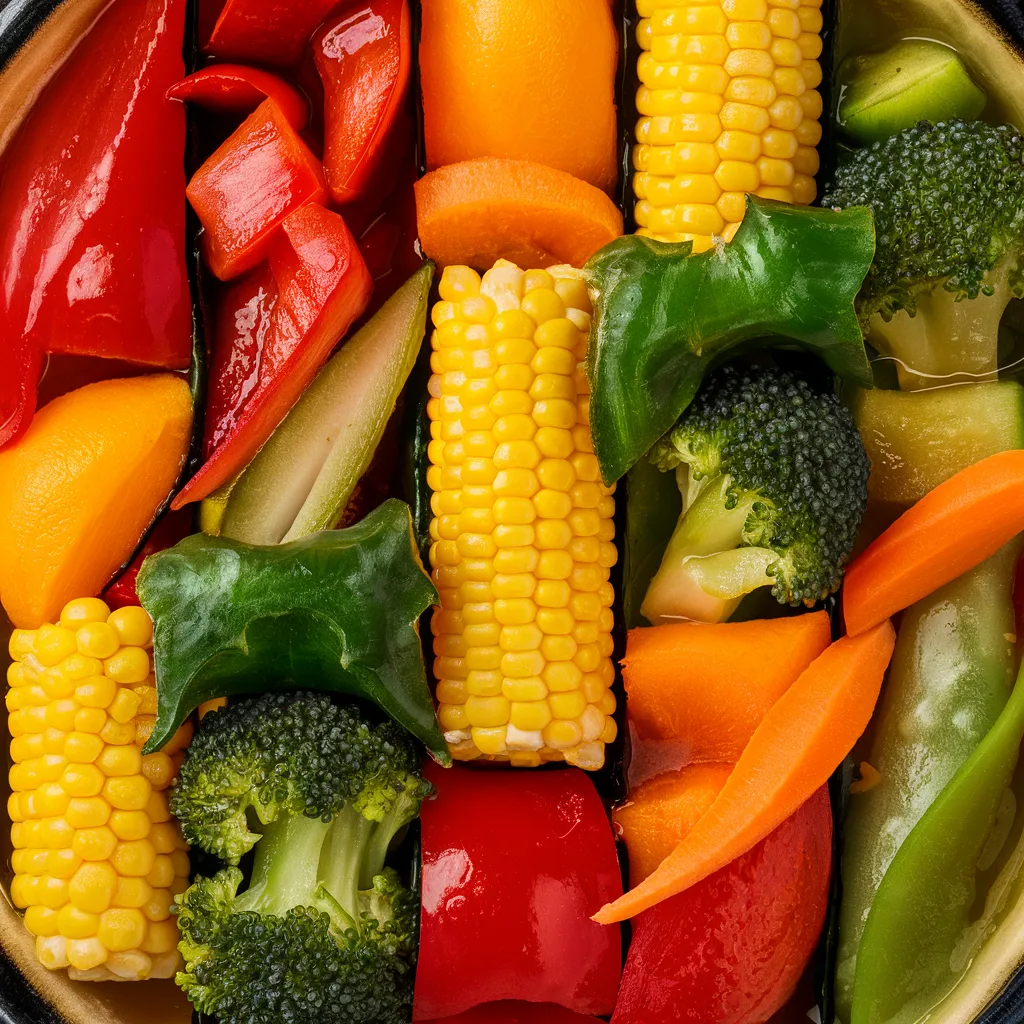
Apples, bananas, berries, spinach, carrots, broccoli, and more.
2. Grains and carbohydrates
Rice, oats, quinoa, bread, pasta, and potatoes.
3. Legumes
Lentils, chickpeas, beans, and peas—key sources of protein.
4. Nuts and seeds
Almonds, walnuts, chia seeds, flaxseeds, and sunflower seeds.
5. Plant-based protein alternatives
Tofu, tempeh, seitan, and modern vegan meat substitutes.
6. Dairy alternatives
Soy milk, oat milk, almond milk, and vegan cheese.
Why Do People Choose a Veganisch Lifestyle?
People adopt a veganisch lifestyle for several important reasons. These usually fall into three main categories: ethics, environment, and health.
1. Ethical reasons
Many people choose veganism because they want to avoid animal suffering. Modern factory farming raises concerns about animal welfare, which motivates individuals to seek cruelty-free alternatives.
2. Environmental reasons
Animal agriculture is a major contributor to greenhouse gas emissions, deforestation, and water consumption. A veganisch lifestyle is often seen as a more sustainable choice that reduces environmental impact.
3. Health reasons
A well-balanced vegan diet can support overall health. Studies suggest that plant-based diets may help reduce the risk of heart disease, high blood pressure, and obesity when properly planned.
Veganisch vs Vegetarian
Many people confuse veganisch with vegetarianism, but there is an important difference:
- Vegetarian: avoids meat but may still consume dairy and eggs
- Veganisch (vegan): avoids all animal products completely
This makes veganism a stricter and more comprehensive lifestyle choice.
Benefits of Veganisch Living
Adopting a veganisch lifestyle can offer several advantages:
🌱 Health benefits
- Higher intake of fiber, vitamins, and antioxidants
- Lower cholesterol levels
- Improved digestion when well-balanced
🌍 Environmental benefits
- Reduced carbon footprint
- Less water usage compared to animal farming
- Lower land consumption
🐾 Ethical benefits
- Reduced animal exploitation
- Supports cruelty-free industries
Challenges of a Veganisch Diet
While veganisch living has many benefits, it also comes with challenges:
1. Nutritional planning
Certain nutrients like Vitamin B12, iron, calcium, and omega-3 fatty acids need attention. B12 supplementation is especially important.
2. Limited options in some areas
In some regions, vegan-friendly restaurants and products may be limited.
3. Reading labels
Many processed foods contain hidden animal ingredients, so careful label reading is required.
4. Social adjustment
Eating out or attending events may require extra planning.
Veganisch in Modern Culture
Veganism is no longer a niche lifestyle. It has become part of mainstream culture:
- Supermarkets now offer extensive plant-based product ranges
- Restaurants include vegan options on menus
- Fashion brands are replacing leather and fur with synthetic or plant-based materials
- Social media influencers promote vegan recipes and lifestyle tips
This growing popularity shows that veganisch living is becoming more accessible every year.
How to Start a Veganisch Lifestyle
For beginners, switching to veganism does not have to be overwhelming. A gradual approach often works best.
Simple steps:
- Start by replacing milk with plant-based alternatives
- Try one vegan meal per day
- Explore vegetarian dishes and make them vegan
- Learn simple plant-based recipes
- Gradually eliminate animal products
Small changes over time are more sustainable than drastic shifts.
Final Thoughts
Veganisch is more than just a diet—it is a lifestyle centered around compassion, sustainability, and health. While it requires awareness and planning, it also opens the door to a wide variety of foods and a more environmentally conscious way of living.