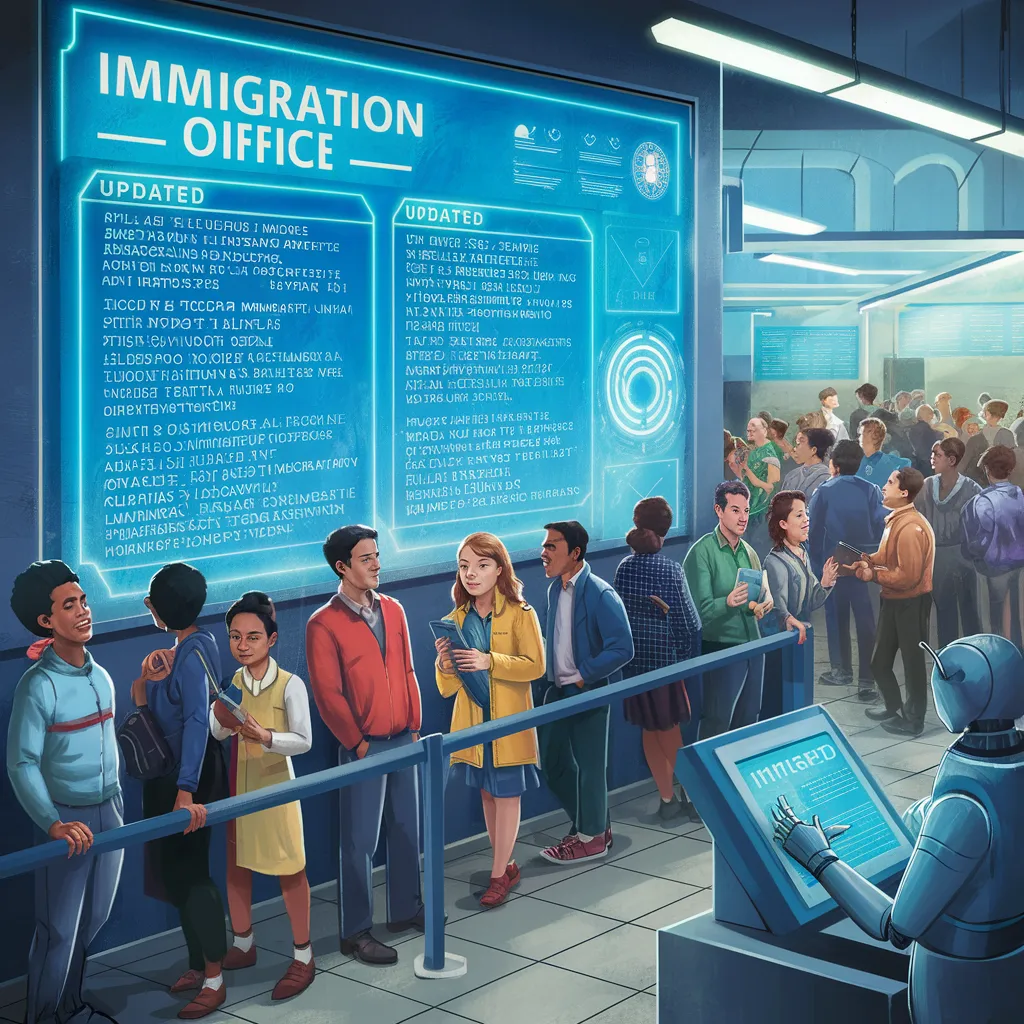
UK Immigration Changes 2026 – A Comprehensive Overview of New Rules and Policies
The year 2026 marks a significant turning point in the United Kingdom’s immigration system. Following years of political debate, economic pressures, and rising migration figures, the UK government has introduced a series of reforms aimed at tightening border control, reshaping visa pathways, and redefining long-term settlement rules.
These changes affect a wide range of people—including skilled workers, students, asylum seekers, and families—and reflect a broader shift toward stricter immigration management. This article provides a detailed overview of the key UK immigration changes in 2026 and their implications.
🌐 Background: Why Immigration Rules Are Changing
The UK has been gradually tightening immigration policies since 2024–2025 in response to:
- High net migration levels
- Pressure on public services such as housing and healthcare
- Political demands for stricter border control
- Concerns about illegal migration and asylum systems
By 2026, these pressures led to a more comprehensive reform agenda focused on reducing migration and increasing control over who enters and stays in the UK.
⚖️ Stricter Rules on Entry and Deportation
One of the most notable changes in 2026 involves tougher rules on who can enter or remain in the UK.
- Individuals convicted of crimes and given a suspended sentence of 12 months or more can now be refused entry or have their visa cancelled
- The government has expanded powers to remove individuals more quickly in certain cases
These measures are designed to strengthen public safety and reduce misuse of the immigration system.
🎓 Changes to Student and Work Visas
📚 “Visa Brake” Restrictions
A major new policy introduced in 2026 is the “visa brake” system, which allows the UK to restrict visa access for certain nationalities.
- Some student visa applications are automatically refused for specific countries under new rules
- Similar restrictions apply to certain skilled worker visa applicants
This system is intended to control migration flows more directly and respond to geopolitical or migration pressures.
💼 Skilled Worker Visa Updates
The Skilled Worker route—one of the most important immigration pathways—has also been updated:
- New salary compliance requirements for employers
- Adjustments to eligible occupations
- More scrutiny of sponsorship practices
In addition, there are targeted restrictions and concessions within the system to better align migration with labour market needs .
🧠 Higher Standards for Settlement
One of the most controversial changes in 2026 is the tightening of rules for Indefinite Leave to Remain (ILR)—the pathway to permanent residency.
Key developments include:
- Stricter English language requirements for settlement applicants
- Proposals to extend the residency period from 5 years to 10 years or more for many migrants
These changes aim to ensure that migrants demonstrate long-term integration and commitment before gaining permanent status.
🌍 Expansion and Adjustment of Visa Routes
While many rules have become stricter, some visa pathways have been expanded or refined.
🌟 Global Talent Visa
- Expanded to include more sectors, such as design and creative industries
🌐 Global Business Mobility
- Adjustments to support international businesses transferring staff to the UK
These updates show that the UK still aims to attract high-skilled talent and investment, even while tightening overall migration.
🛂 Asylum System Reforms
The UK’s asylum system has undergone major changes in 2026, focusing on reducing irregular migration and speeding up processes.
🔄 “One In, One Out” Scheme
- Migrants arriving via small boats may be returned to France, while others are accepted through legal routes
🏠 Reduced Support
- Asylum seekers who break rules or work illegally may lose housing and financial support
⏳ Shorter Protection Periods
- Temporary refugee protection reduced from 5 years to around 2.5 years in some cases
These measures aim to discourage illegal crossings and encourage compliance with immigration laws.
👨👩👧 Family and Social Impact
The 2026 changes have significant implications for families:
- Longer waiting periods for permanent residency may delay family reunification
- Migrant workers, especially in healthcare, fear separation from loved ones
- Some migrants may reconsider staying in the UK due to stricter rules
These social impacts have sparked debate about the balance between control and fairness.
📊 Economic and Labour Market Effects
The new immigration policies are expected to influence the UK economy in several ways:
📉 Reduced Migration
- Policies aim to lower net migration levels
🏥 Workforce Challenges
- Sectors like healthcare and social care may face shortages if fewer migrants arrive
💼 Employer Responsibilities
- Businesses must comply with stricter sponsorship and salary rules
While the government emphasizes control, critics argue that overly strict policies could harm economic growth.
🌐 Digital and Administrative Changes
The UK continues to modernize its immigration system through digital tools:
- Online visa applications and tracking systems
- Electronic Travel Authorisation (ETA) requirements for certain travelers
- Updated immigration rule frameworks across multiple visa categories
These changes aim to improve efficiency and reduce processing times.
⚖️ Political and Public Debate
Immigration remains one of the most debated political issues in the UK.
Supporters of the 2026 changes argue:
- They restore control over borders
- They reduce illegal migration
- They prioritize national interests
Critics argue:
- They are too harsh on migrants and refugees
- They may harm the economy
- They risk creating social division
The debate is likely to continue as further reforms are proposed later in 2026.
🔮 What to Expect Next
The 2026 changes are not the final stage of reform. Future developments may include:
- Further tightening of settlement rules
- Additional restrictions on dependents
- Expanded digital border controls
- New legislation reshaping long-term migration policy
The UK immigration system is expected to continue evolving in response to political and economic pressures.
🧾 Conclusion
The UK immigration changes in 2026 represent a major shift toward stricter control, higher standards, and more selective migration policies. From tougher entry rules and visa restrictions to longer settlement pathways and asylum reforms, the system is being reshaped to prioritize regulation and sustainability.
While these changes aim to address public concerns and reduce migration levels, they also raise important questions about fairness, economic impact, and the UK’s global role.