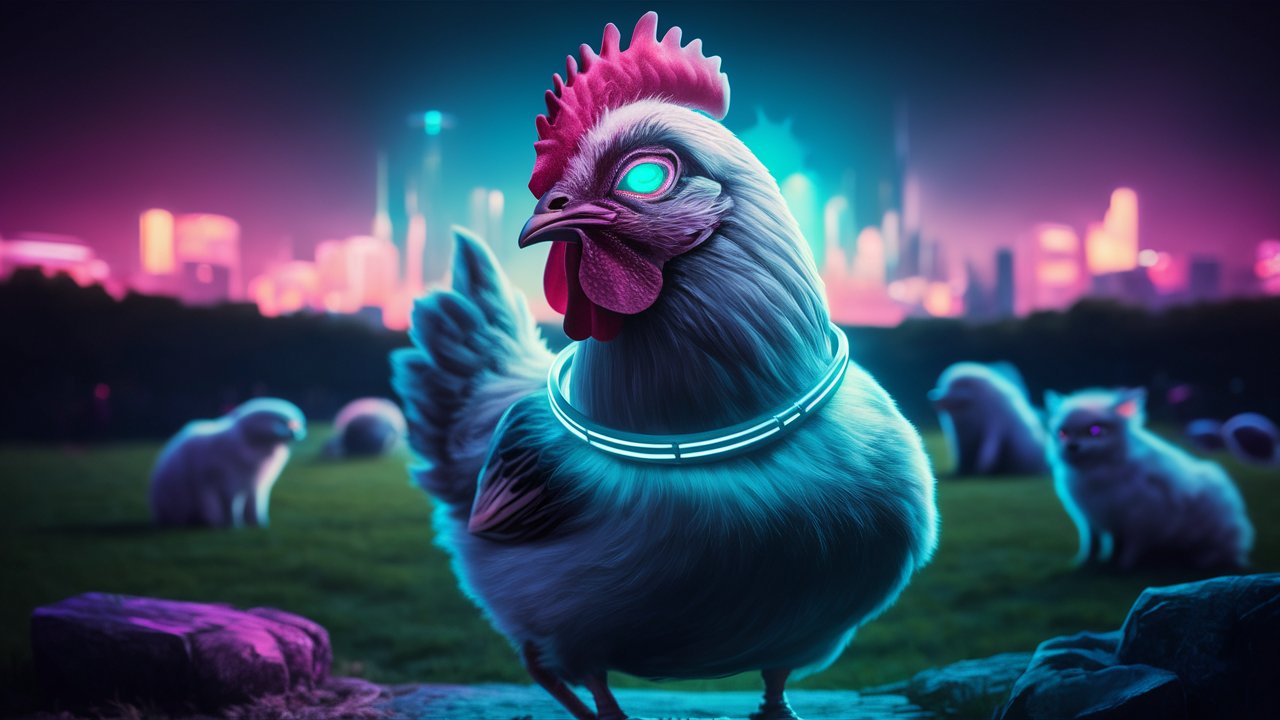
Fur Hen Explained: Meaning, Origins, History, and Interesting Facts
The phrase fur hen is an unusual term that sparks curiosity among readers and internet users alike. Many people encounter the phrase through online searches, discussions, niche communities, or historical references and immediately wonder what it means. Unlike commonly recognized animal names or scientific classifications, the term “fur hen” is not widely understood, which makes it an intriguing topic for exploration.
In today’s digital world, unusual phrases often gain attention because people are searching for explanations, definitions, and historical context. Terms that appear uncommon can become popular discussion points simply because they inspire curiosity. Fur hen is one such phrase that encourages people to investigate its possible meanings, origins, and interpretations.
Understanding fur hen requires looking beyond a simple definition. It involves examining language, animal terminology, historical usage, cultural references, and the ways unusual expressions evolve over time. This comprehensive guide explores the concept of fur hen, its possible meanings, and why it continues to generate interest among readers seeking unique information.
What Is a Fur Hen?
At first glance, the phrase “fur hen” appears to combine two words that are not usually associated with one another. The word “fur” typically refers to the thick hair covering mammals, while “hen” is commonly used to describe an adult female chicken or certain female birds.
Because birds do not naturally have fur, the phrase creates an interesting contrast. This unusual combination is one reason why people become curious about its meaning. In many cases, uncommon expressions emerge through regional language, folklore, humor, storytelling, or metaphorical usage rather than strict biological definitions.
The term may be interpreted differently depending on the context in which it appears. Some people view it as a nickname, descriptive phrase, or cultural expression, while others encounter it through online discussions where its meaning is debated.
The Role of Language in Unusual Terms
Language constantly evolves as people create new expressions and reinterpret existing words. Throughout history, communities have developed unique phrases that combine familiar words in unexpected ways.
Terms like fur hen demonstrate how language can spark curiosity and imagination. When people encounter unfamiliar combinations of words, they often search for explanations and historical context. This process contributes to the growth of language and helps preserve interesting expressions across generations.
The popularity of unusual terms also reflects the human desire to categorize, understand, and explain the world. Even when a phrase lacks a widely accepted definition, discussion about its meaning can create cultural significance.
Historical Perspectives on Animal Terminology
Animal terminology has evolved significantly over time. Different cultures, regions, and historical periods have used unique names for animals, birds, and livestock.
Many traditional names originated from physical characteristics, behaviors, habitats, or local customs. Some terms that were once common eventually disappeared from everyday language, while others survived through literature, folklore, and oral traditions.
The phrase fur hen may fit within this broader pattern of unusual animal-related terminology. Whether used literally, symbolically, or humorously, such expressions highlight the creativity of language and the diversity of naming conventions throughout history.
Fur Hen and Folklore
Folklore often introduces imaginative creatures and unusual descriptions that blend characteristics from different animals. Throughout history, storytellers have combined familiar features to create memorable characters and symbols.
A phrase like fur hen could easily fit within a folkloric tradition because it combines traits that do not naturally occur together. This type of imagery captures attention and encourages listeners to visualize something unique and unexpected.
Folklore frequently uses animals to communicate lessons, values, and cultural beliefs. As a result, unusual animal descriptions often become memorable parts of storytelling traditions.
Symbolic Interpretations of Fur Hen
Another way to understand fur hen is through symbolism. Symbolic language allows people to express ideas using images, metaphors, and creative combinations.
The concept of fur may symbolize warmth, protection, adaptability, or comfort. A hen often symbolizes nurturing, care, community, and productivity. When combined, these elements create a phrase that may inspire multiple interpretations depending on cultural and personal perspectives.
Symbolic expressions often gain popularity because they encourage discussion and allow people to assign their own meanings to unusual concepts.
Why Fur Hen Attracts Online Searches
One reason fur hen continues to attract attention is its mystery. Search users frequently investigate unfamiliar terms because they want clear explanations and reliable information.
In many cases, internet searches are driven by curiosity rather than necessity. People encounter a phrase through social media, online forums, conversations, or written content and then seek additional details.
This curiosity-driven behavior helps explain why unusual keywords often develop their own search presence despite limited mainstream recognition.
The Importance of Context
Context plays a critical role when interpreting uncommon phrases. The meaning of fur hen can vary depending on how and where it is used.
For example, a literary work might use the phrase metaphorically, while a regional community might apply it as a nickname or traditional expression. Without context, assigning a single definitive meaning becomes difficult.
This flexibility is part of what makes language fascinating. Words and phrases can evolve, adapt, and acquire new interpretations over time.
Cultural Interest in Unique Expressions
Modern audiences have shown increasing interest in unusual words and expressions. Social media, blogs, and online communities frequently discuss rare terminology, forgotten phrases, and linguistic curiosities.
The appeal of these topics comes from their ability to inspire learning and exploration. Readers often enjoy discovering hidden stories behind unusual language, especially when a phrase appears mysterious or difficult to define.
Fur hen fits within this trend because it encourages investigation and conversation about language, history, and symbolism.
The Future of Uncommon Terms
As digital communication continues to expand, uncommon expressions may become more visible than ever before. Search engines make it possible for niche topics to reach global audiences, allowing unusual phrases to gain new attention.
Whether fur hen remains a niche curiosity or develops broader recognition, its existence demonstrates the dynamic nature of language. New interpretations and discussions can continue to shape how people understand the term in the future.
The internet has created opportunities for communities to preserve, share, and analyze unusual language in ways that were not possible in previous generations.
Conclusion
Fur hen is a fascinating phrase that highlights the creativity and complexity of language. Although it may not have a universally accepted definition, its unusual combination of words encourages curiosity, discussion, and exploration. By examining historical terminology, folklore, symbolism, and linguistic evolution, we gain a deeper appreciation for how unique expressions develop and persist over time.
The enduring interest in fur hen demonstrates the human desire to understand unfamiliar concepts and uncover hidden meanings. Whether viewed as a linguistic curiosity, symbolic expression, or cultural phrase, fur hen remains an engaging topic that invites interpretation and discussion.
As language continues to evolve, terms like fur hen remind us that words are more than simple labels. They are reflections of history, imagination, culture, and the endless creativity of human communication.
Frequently Asked Questions
What does fur hen mean?
The meaning depends on context and interpretation. It is generally considered an unusual phrase that combines the concepts of fur and hen.
Is a fur hen a real animal?
There is no widely recognized animal officially known as a fur hen.
Why do people search for fur hen?
People often search for the term because it is unusual and sparks curiosity about its meaning and origins.
Does fur hen have historical significance?
The phrase may be connected to linguistic, cultural, or symbolic discussions rather than a specific historical animal classification.
Can fur hen be interpreted symbolically?
Yes. Some people interpret the phrase through symbolism, metaphor, or creative expression.
Why are unusual phrases popular online?
Uncommon terms attract attention because they encourage exploration, discussion, and learning about language and culture.