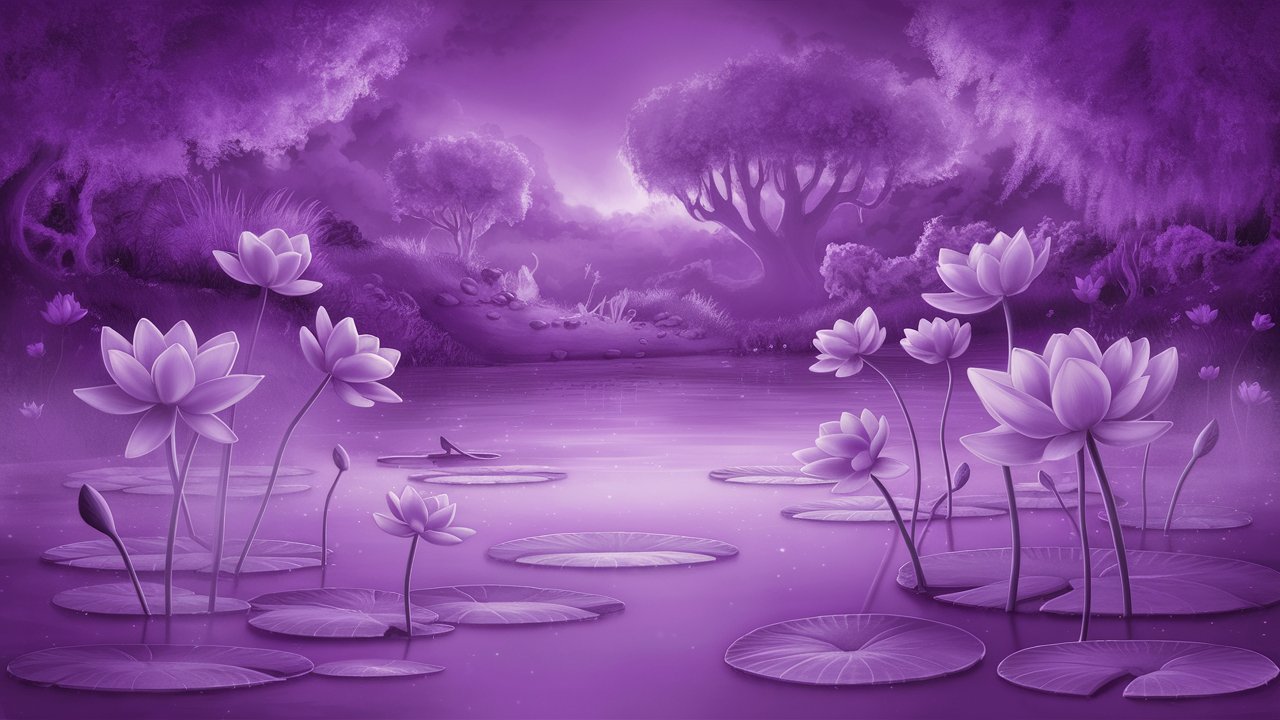
Violetness Explained: Meaning, Symbolism, Psychology, and Cultural Significance
Violetness is a fascinating concept that extends far beyond the simple identification of a color. While many people immediately associate violetness with shades of purple and violet hues, the idea carries deeper meanings related to symbolism, creativity, spirituality, psychology, and artistic expression. Throughout history, violet tones have been connected to royalty, wisdom, mystery, imagination, and personal transformation. As a result, the concept of violetness has evolved into something that represents both visual beauty and symbolic depth.
In modern culture, violetness appears in many forms. It influences fashion trends, interior design choices, branding strategies, artistic movements, and even discussions about personality and emotional expression. The color violet itself occupies a unique position within the visible spectrum, combining the energetic qualities often associated with red and the calming characteristics frequently linked to blue. This balance contributes to the distinctive symbolism that surrounds violetness and helps explain why it continues to captivate people around the world.
Understanding violetness requires exploring its historical roots, psychological associations, artistic applications, and cultural significance. This article examines the concept in depth, providing a comprehensive guide to its meaning and ongoing relevance in contemporary society.
What Is Violetness?
At its core, violetness refers to the qualities, characteristics, and symbolic associations connected to the color violet. While the term may not always appear in traditional dictionaries, it can be understood as the essence or nature of violet and everything that the color represents.
Violetness is often linked to imagination, individuality, introspection, and creativity. Unlike primary colors that may evoke straightforward emotional responses, violet tends to inspire more complex interpretations. It is frequently associated with mystery, innovation, and intellectual curiosity.
The uniqueness of violetness comes from the fact that violet sits at the intersection of contrasting visual and emotional qualities. It can appear bold yet calming, luxurious yet spiritual, modern yet timeless. This versatility has contributed to its enduring appeal across cultures and historical periods.
Historical Origins of Violet Symbolism
The symbolic power of violet dates back thousands of years. In ancient civilizations, violet and purple dyes were rare and expensive to produce. Because these pigments required extensive labor and valuable materials, they became associated with wealth, status, and authority.
Royal families and elite social classes often used violet garments to demonstrate prestige and influence. In many societies, the color became a visual representation of power and exclusivity. This historical association continues to influence modern perceptions of violetness, particularly in branding, fashion, and ceremonial contexts.
Beyond its connection to royalty, violet also gained importance in religious and spiritual traditions. Various cultures associated the color with contemplation, wisdom, and higher understanding. These symbolic meanings contributed to the development of violetness as a concept that extends beyond physical appearance.
The Psychology of Violetness
Color psychology provides valuable insight into why violetness resonates so strongly with many individuals. Colors can influence emotions, perceptions, and behavioral responses, and violet occupies a particularly interesting psychological position.
Many psychologists and designers describe violet as a color that stimulates imagination and creative thinking. It is often associated with originality, innovation, and artistic expression. People drawn to violet tones may appreciate uniqueness, self-discovery, and intellectual exploration.
At the same time, violetness can evoke feelings of calmness and reflection. The blue elements within violet contribute to a sense of tranquility, while the red components introduce energy and passion. This balance creates a complex emotional profile that distinguishes violet from many other colors.
Because of these qualities, violet is frequently used in environments intended to inspire creativity or encourage thoughtful reflection.
Violetness in Art and Design
Artists and designers have long recognized the expressive potential of violet. Throughout art history, violet tones have been used to create mood, emphasize contrast, and communicate symbolic meaning.
In painting, violet can represent mystery, spirituality, fantasy, or emotional depth. Artists often use it to create visual interest and guide the viewer’s attention. Its ability to function as both a vibrant and subtle color makes it highly versatile in artistic compositions.
In interior design, violetness can influence the atmosphere of a space. Lighter violet shades often create feelings of elegance and serenity, while deeper tones may convey sophistication and luxury. Designers frequently incorporate violet accents to add personality and visual distinction.
Modern digital design also embraces violetness due to its unique ability to stand out while maintaining aesthetic appeal. Many technology companies, creative brands, and wellness-focused organizations use violet-inspired color schemes to communicate innovation and imagination.
Violetness and Creativity
One of the most commonly discussed aspects of violetness is its connection to creativity. Many people perceive violet as a color that encourages original thinking and artistic exploration.
Creative professionals often incorporate violet into workspaces, branding materials, and visual projects because of its association with innovation. Whether used in graphic design, photography, fashion, or digital media, violetness frequently symbolizes a willingness to explore new ideas and challenge conventional thinking.
This connection to creativity may explain why violet continues to appear prominently in artistic communities and cultural movements focused on self-expression.
Cultural Significance of Violetness
Different cultures interpret violetness in various ways, but many themes remain surprisingly consistent. Across numerous traditions, violet is linked to wisdom, dignity, imagination, and transformation.
In some societies, violet represents spiritual awareness and personal growth. In others, it symbolizes luxury, prestige, or artistic excellence. These interpretations demonstrate the remarkable adaptability of violetness as a cultural symbol.
Global media, fashion industries, and entertainment platforms continue to reinforce these associations, ensuring that violetness remains a recognizable and influential concept in contemporary culture.
Violetness in Fashion and Lifestyle
Fashion designers frequently use violet to create memorable collections and distinctive visual identities. The color’s versatility allows it to function in both bold statement pieces and subtle accents.
Consumers often choose violet clothing or accessories because they perceive the color as unique, expressive, and sophisticated. Violetness can communicate confidence while maintaining an element of creativity and individuality.
Lifestyle trends also reflect the growing popularity of violet-inspired aesthetics. From home décor to social media branding, violet continues to influence visual culture and personal style.
The Future of Violetness
As visual communication becomes increasingly important in digital environments, violetness is likely to remain highly relevant. The color’s ability to balance innovation, elegance, and emotional depth makes it valuable across multiple industries.
Emerging design trends, technological advancements, and evolving cultural preferences may continue to expand the role of violetness in branding, creative expression, and visual storytelling. Its adaptability ensures that it can remain meaningful even as aesthetic preferences change.
The future of violetness will likely involve new interpretations and applications while preserving the symbolic qualities that have defined it for centuries.
Conclusion
Violetness is far more than a simple reference to a color. It represents a rich combination of symbolism, psychology, creativity, history, and cultural meaning. From ancient royal garments to modern digital design, violet has maintained a unique ability to capture attention and inspire imagination.
Its associations with wisdom, creativity, individuality, and transformation continue to make it relevant in contemporary society. Whether viewed through the lens of art, psychology, fashion, or cultural studies, violetness offers valuable insight into how colors influence human perception and expression.
As visual culture continues to evolve, violetness will remain an enduring symbol of imagination, sophistication, and personal growth.
Frequently Asked Questions
What does violetness mean?
Violetness refers to the qualities, symbolism, and characteristics associated with the color violet.
Why is violet associated with creativity?
Many people connect violet with imagination, originality, and artistic expression due to its unique psychological and visual qualities.
What does violet symbolize?
Common symbolic meanings include wisdom, spirituality, creativity, transformation, luxury, and individuality.
How is violet used in design?
Designers use violet to create sophistication, visual interest, creativity, and emotional depth in projects.
Why was violet historically associated with royalty?
Ancient violet and purple dyes were rare and expensive, making them symbols of wealth and high social status.
Is violetness relevant in modern culture?
Yes. Violetness continues to influence fashion, branding, art, design, technology, and visual communication around the world.